
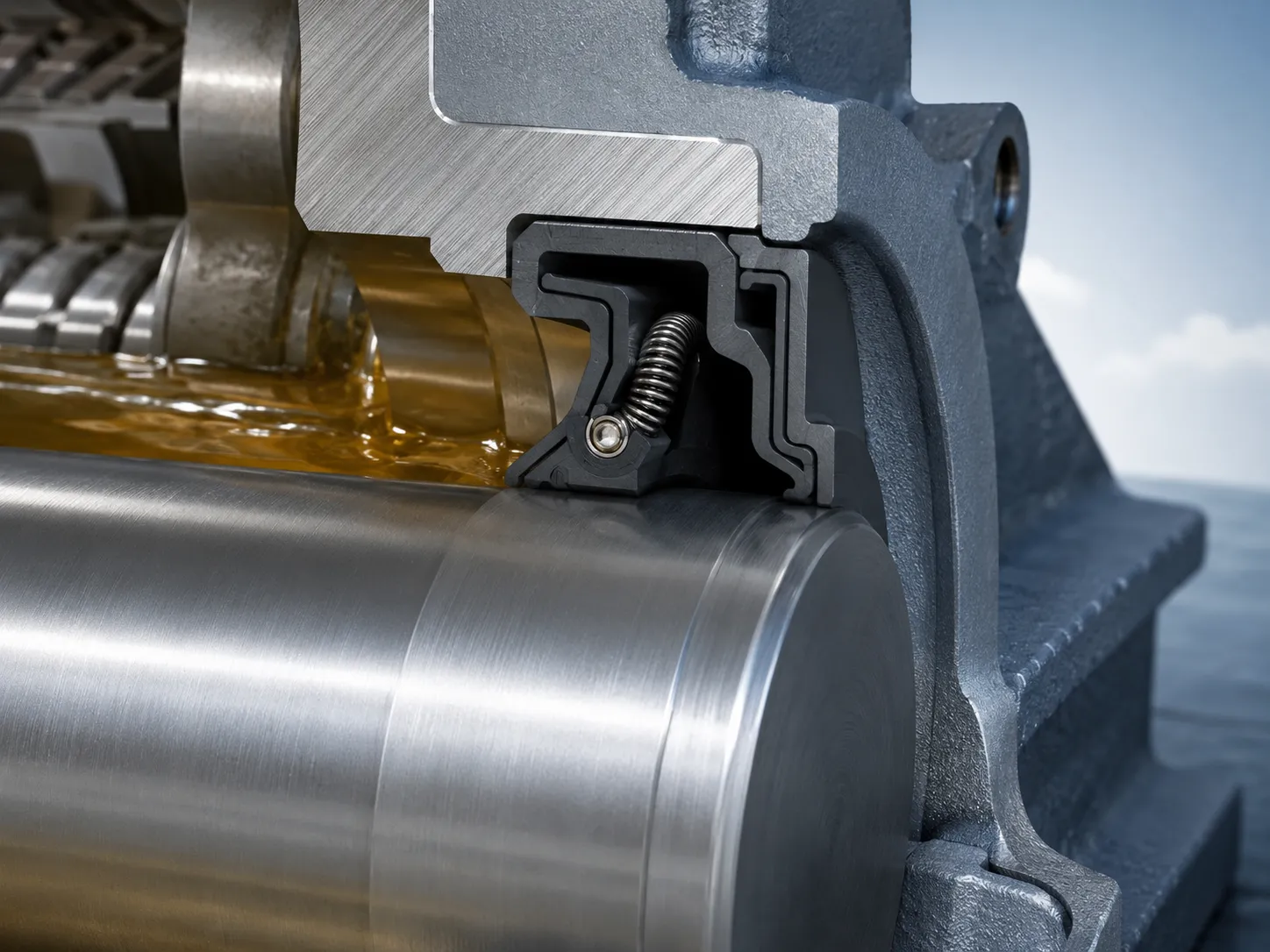
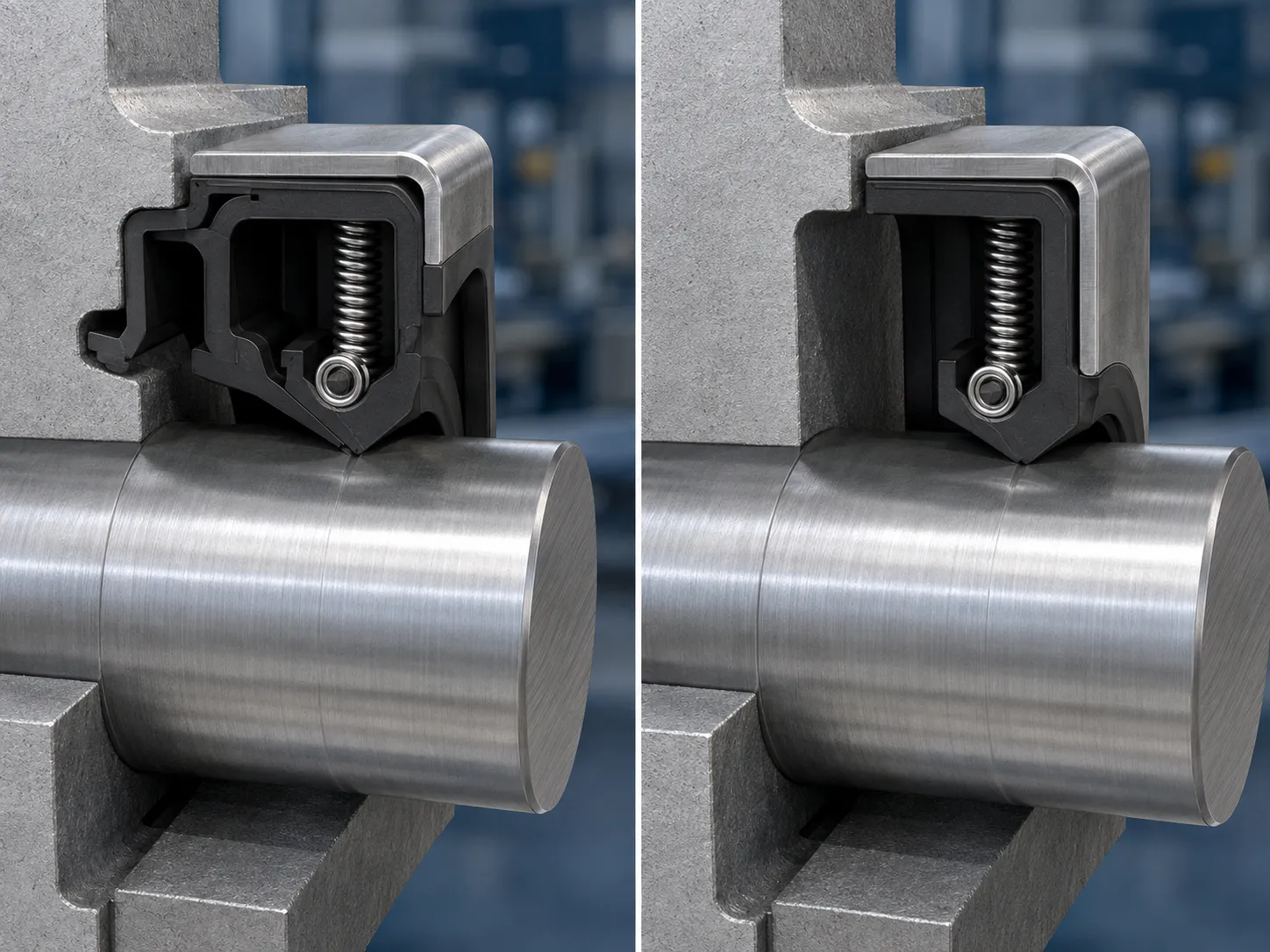
Spring-loaded rotary oil seal installed with the main lip facing the lubricant side

Product Knowledge

Practical engineering knowledge, material selection guides, and real-world applications for industrial sealing systems.

Spring-loaded rotary oil seal installed with the main lip facing the lubricant side
Featured Product Knowledge

Oil Seal Installation Direction: Which Way Should an Oil Seal Face?

Most rotary oil seals are installed with the main sealing lip and spring facing the lubricant side. However, seal direction can vary by application, lip design, pressure condition, contamination requirement, and seal material. This guide explains how to identify the correct oil seal orientation, common installation rules, exceptions, and mistakes that can cause repeat leakage.

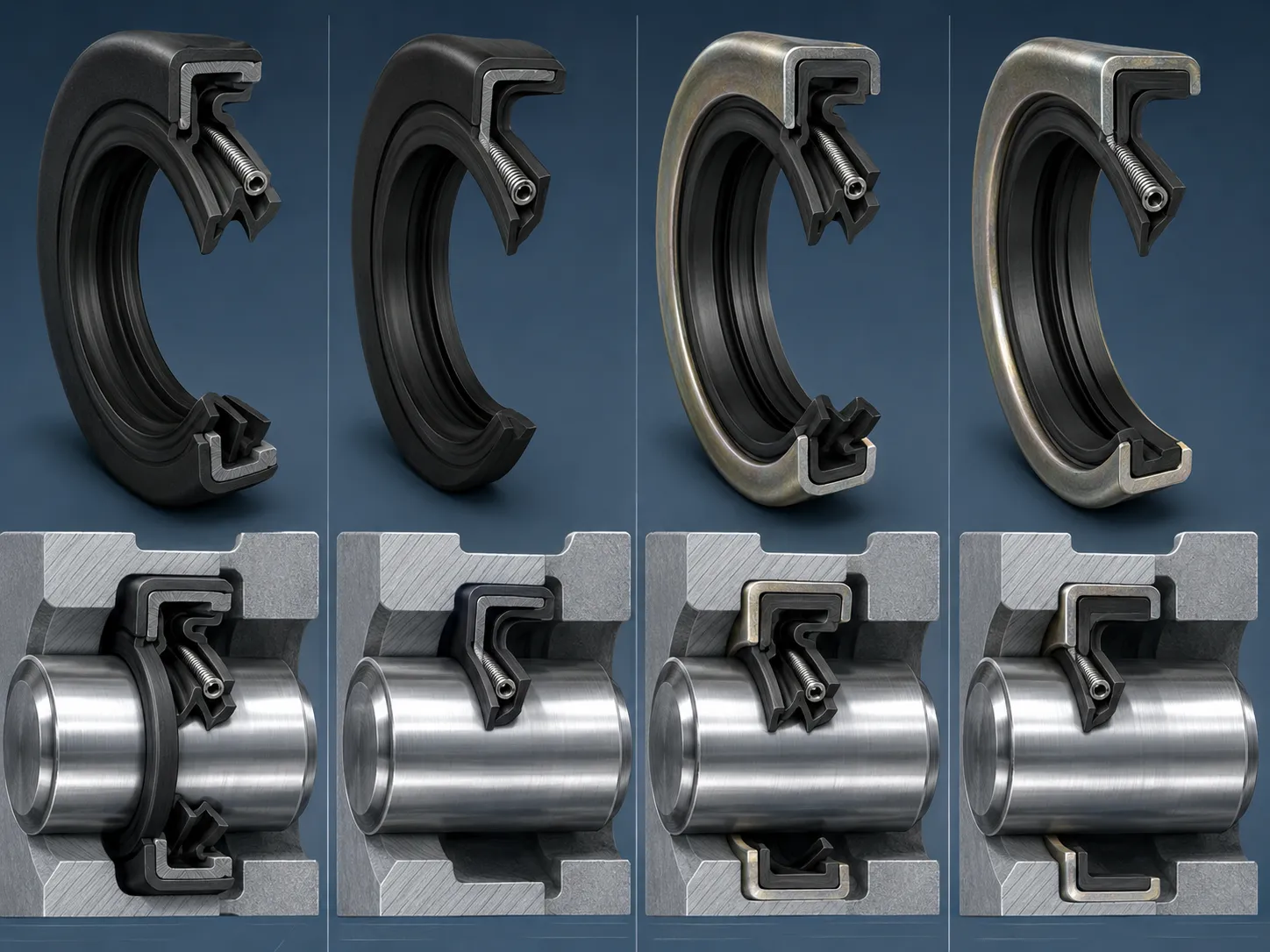
Four common oil seal types showing single lip double lip rubber outer diameter and metal case structures
Product Knowledge

Oil Seal Types: TC, SC, TB, SB, and Common Applications

TC, SC, TB, and SB are common oil seal type codes used to describe lip configuration and outer diameter construction. This guide explains the usual differences between single-lip and double-lip seals, rubber-covered and metal-cased designs, common applications, material options, and how to choose the right oil seal type.
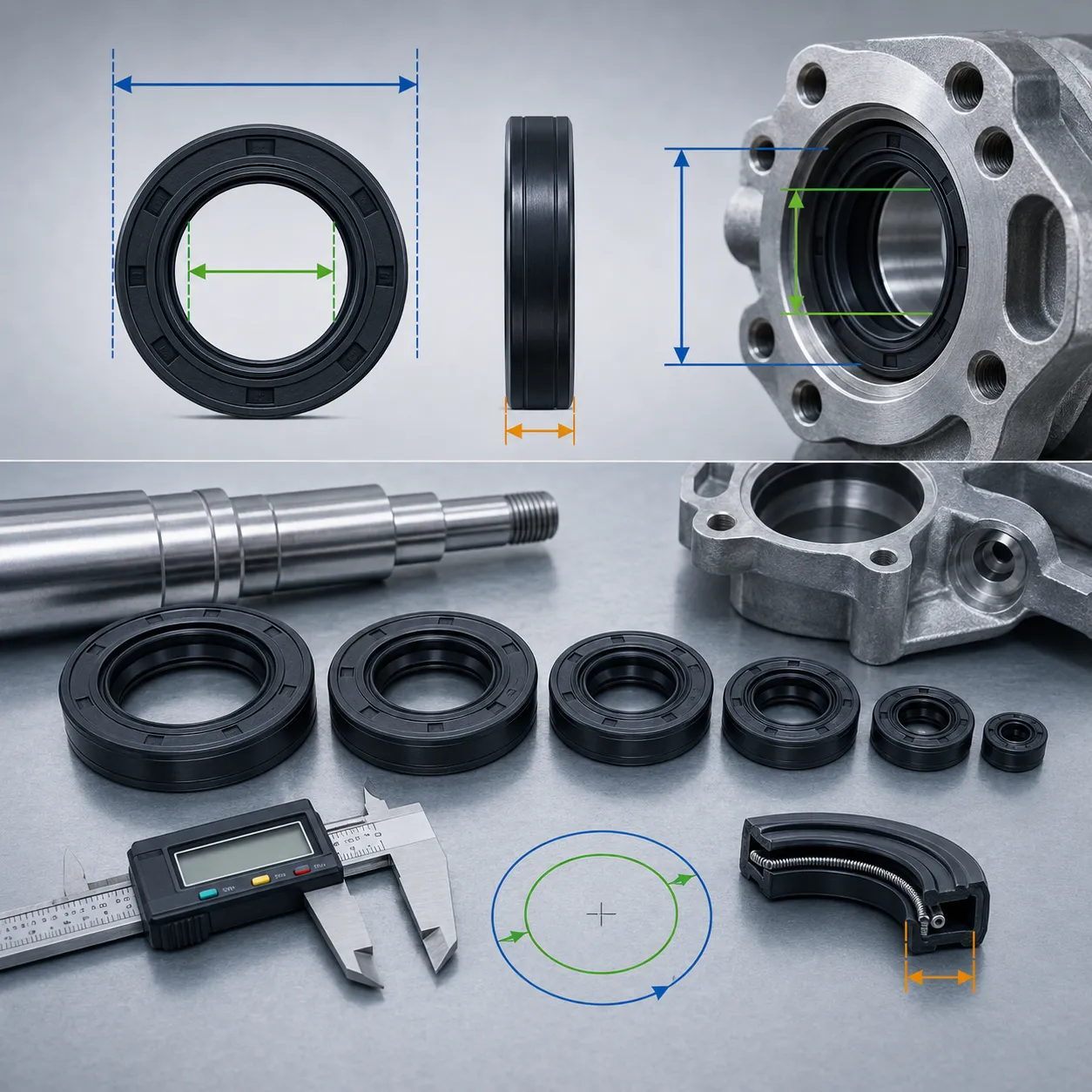
Rotary oil seals in different sizes with a caliper for ID OD and width measurement
Product Knowledge

Oil Seal Size Chart: How to Read ID × OD × Width

An oil seal size chart helps identify the correct seal by inner diameter, outer diameter, and width. This guide explains how to read common oil seal size markings, use ID × OD × width charts, verify shaft and housing measurements, and avoid ordering the wrong seal type or material.