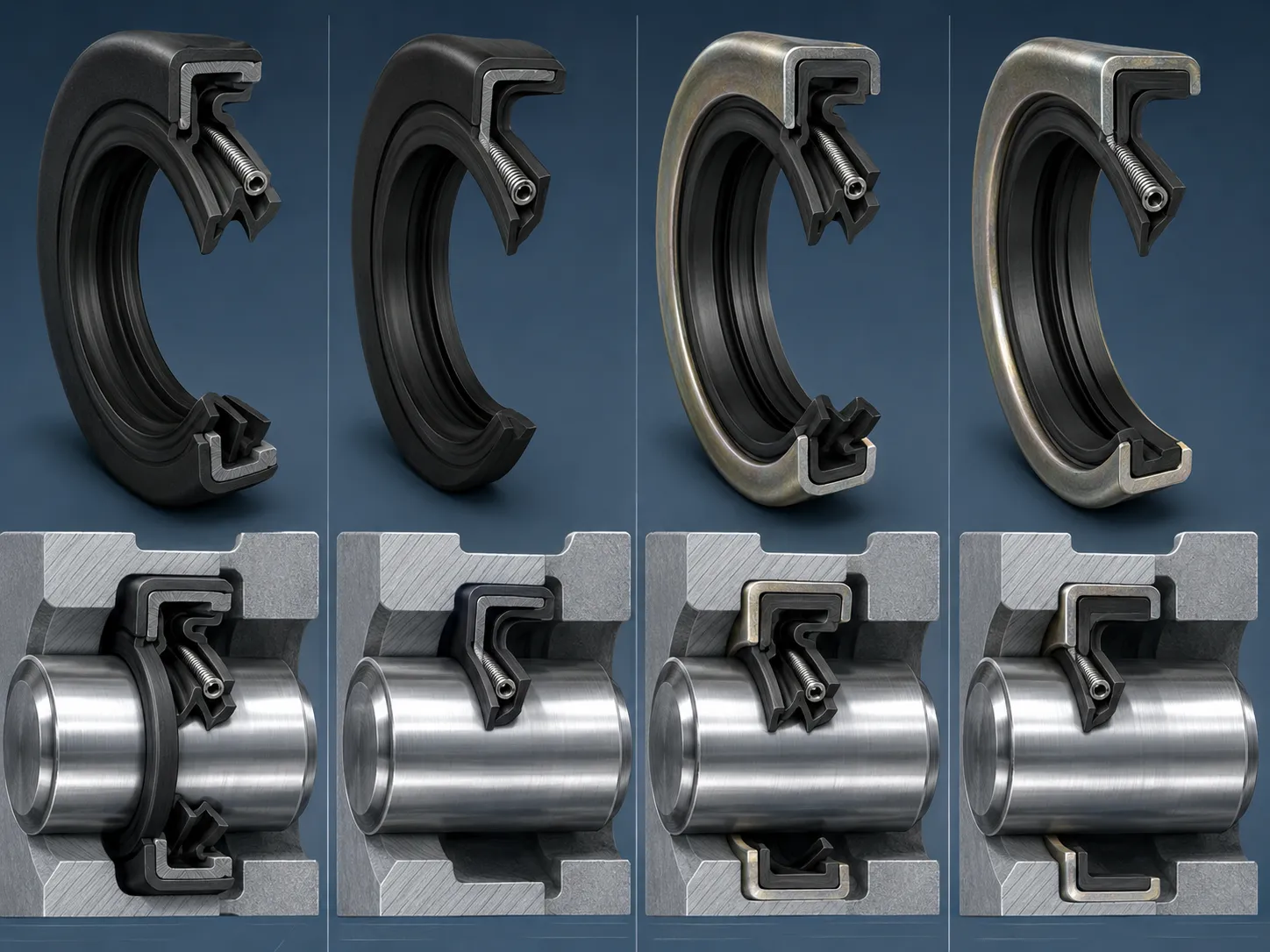
TC and SC oil seals are widely used in automotive, agricultural, industrial, gearbox, pump, motor, and machinery applications. They may look similar from the outside, and in many cases they are available in the same size range. However, the lip structure is different, which can affect contamination protection, installation requirements, and application suitability.
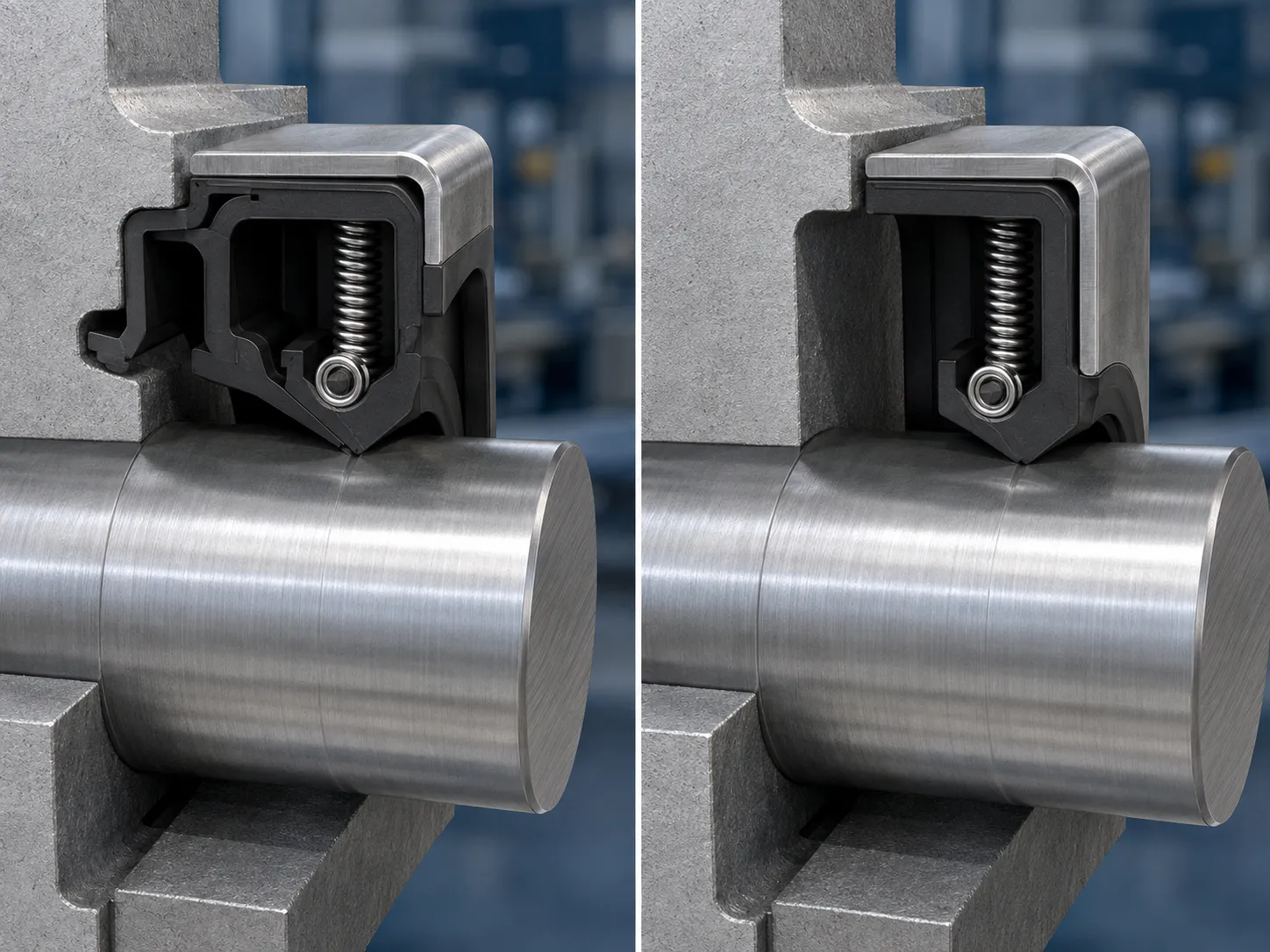
In the commonly used TC and SC naming convention, an SC oil seal normally has one primary sealing lip, while a TC oil seal has a primary sealing lip plus an auxiliary dust lip. Both designs are commonly supplied with a metal case and a rubber-covered outer diameter, but the additional lip in a TC seal gives it extra protection in dusty, wet, or contaminated environments.
However, TC and SC designations are not interpreted exactly the same way by every manufacturer or market. Before ordering, always confirm the product drawing, lip configuration, outer diameter design, material, spring requirement, and application conditions. A code alone should not replace a technical specification.
This guide explains the typical differences between TC and SC oil seals, how their lip designs work, where each type is commonly used, and what to check before selecting a replacement.
What Are TC and SC Oil Seals?
TC and SC oil seals are rotary shaft seals, also called radial shaft seals or oil seals. They are installed between a rotating shaft and a stationary housing to retain oil, grease, or lubricant inside the equipment.
A typical oil seal includes:
A metal case or reinforcing structure
A rubber-covered outer diameter
A flexible elastomer sealing lip
A garter spring around the main lip
A shaft contact area
A housing contact area
In some designs, an additional dust or exclusion lip
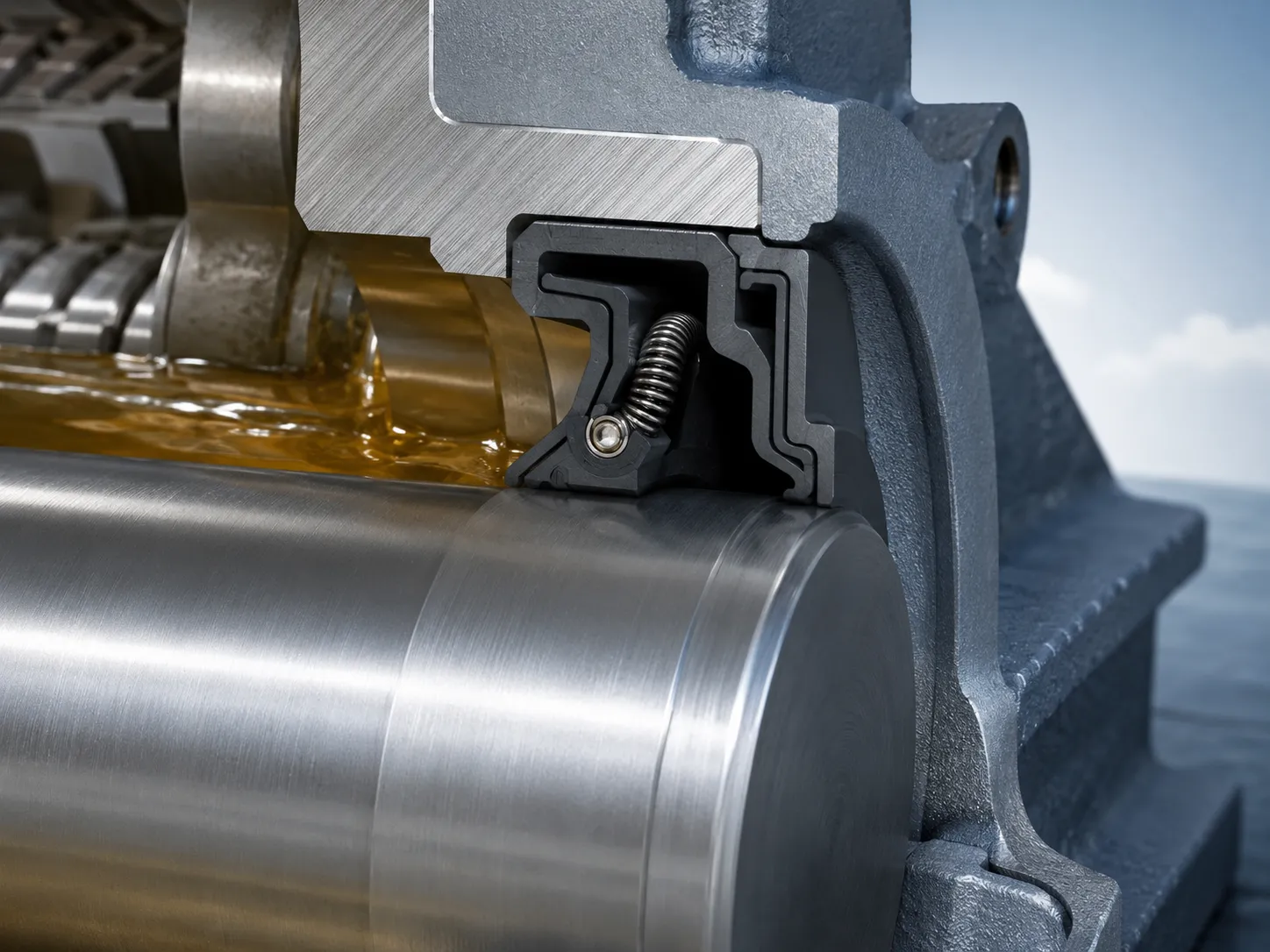
The main sealing lip is the part that retains lubricant. It runs against the shaft surface and maintains a very thin lubricating film during operation. The spring helps maintain contact pressure as the seal operates.
The main difference between TC and SC oil seals is usually the presence or absence of an auxiliary dust lip.
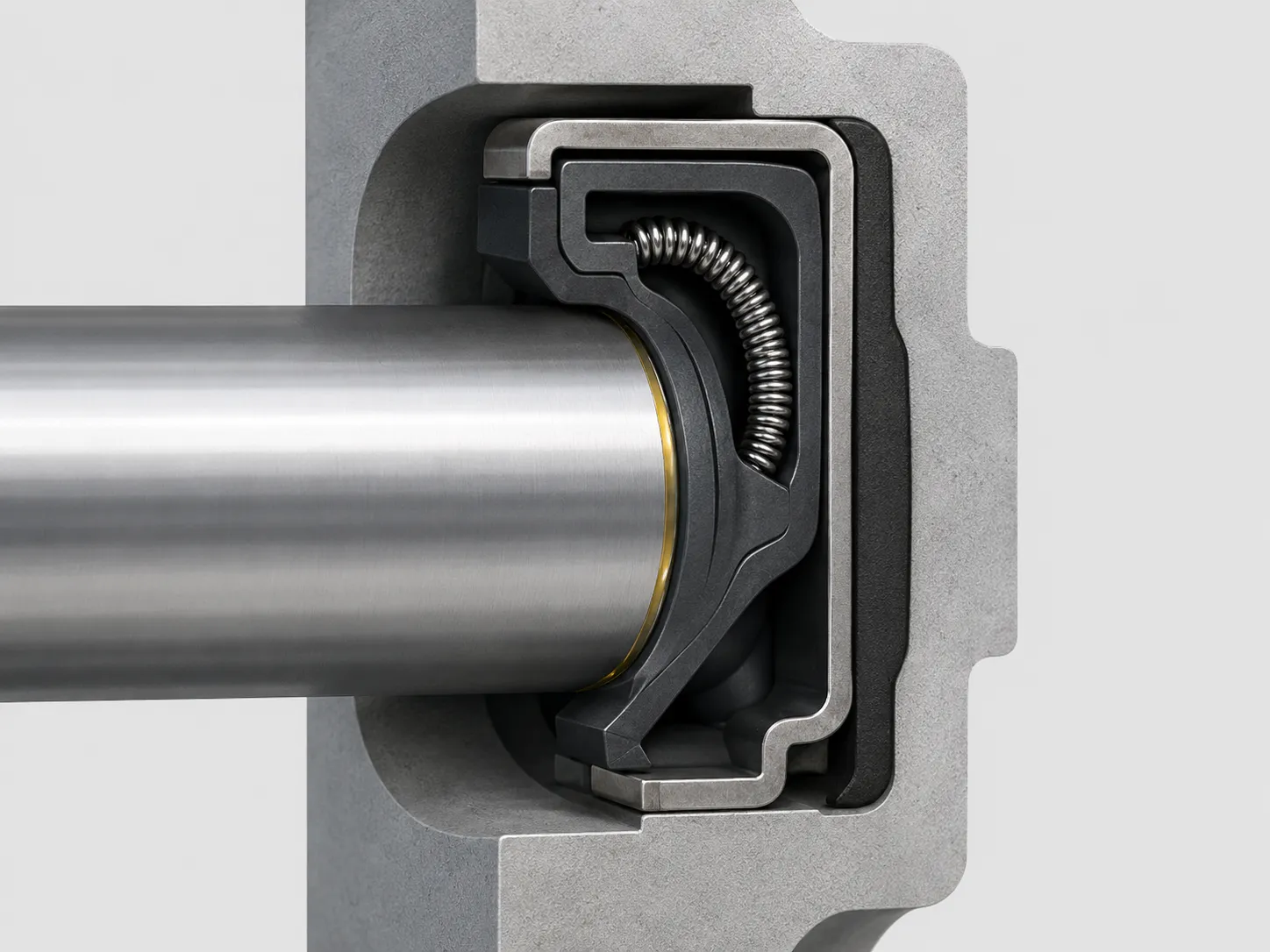
TC Oil Seal Structure
A TC oil seal is commonly described as a double-lip oil seal with a rubber-covered outer diameter.
Its typical structure includes:
One spring-loaded primary sealing lip
One auxiliary dust lip
Rubber-covered outer diameter
Internal metal reinforcement
Elastomer body
Main oil-retaining lip facing the lubricant side
Secondary lip facing the air or contamination side
The primary lip is responsible for retaining oil or lubricant inside the housing. The secondary lip is usually designed to help keep dust, dirt, moisture, and other external contaminants away from the main sealing lip.
The secondary lip is not normally intended to act as a second full-pressure oil-retaining lip. Its main role is external protection.
A TC oil seal is often selected when the shaft area may be exposed to dust, road dirt, water splash, agricultural debris, metal particles, or other contamination.
SC Oil Seal Structure
An SC oil seal is commonly described as a single-lip oil seal with a rubber-covered outer diameter.
Its typical structure includes:
One spring-loaded primary sealing lip
Rubber-covered outer diameter
Internal metal reinforcement
Elastomer body
No auxiliary dust lip in the typical design
The primary lip is designed to retain oil, grease, or lubricant while allowing the shaft to rotate.
Because the SC type does not usually include a secondary dust lip, it is generally better suited to cleaner environments where external contamination is limited or where the equipment already has another protective cover, shield, or sealing arrangement.
SC oil seals can be a practical choice for standard applications when the main requirement is lubricant retention rather than additional contamination exclusion.
TC vs SC Oil Seal: Quick Comparison
Feature | TC Oil Seal | SC Oil Seal |
|---|---|---|
Main sealing lip | Yes | Yes |
Garter spring on main lip | Usually yes | Usually yes |
Auxiliary dust lip | Usually yes | Usually no |
Typical lip arrangement | Double-lip structure | Single-lip structure |
External contamination protection | Better | More limited |
Common use environment | Dusty, wet, dirty, exposed areas | Cleaner, protected, standard environments |
Outer diameter design | Often rubber-covered | Often rubber-covered |
Main oil-retention function | Yes | Yes |
Typical cost level | Often slightly higher | Often lower |
Selection priority | Contamination protection plus oil retention | Standard oil retention in cleaner conditions |
The exact structure may vary by manufacturer. Always check the seal drawing and technical specification before ordering.
The Main Difference: Auxiliary Dust Lip
The most important difference between TC and SC oil seals is the auxiliary dust lip.
A TC seal usually has two lips:
A primary oil-retaining lip
A secondary dust lip
The primary lip faces the lubricant side. Its job is to keep oil or grease inside the housing.
The secondary dust lip usually faces outward toward the air side. Its job is to reduce the entry of dust, dirt, water, and abrasive particles.
An SC seal usually has only the primary oil-retaining lip.
This difference matters when the shaft area is exposed to contamination. Dirt or abrasive particles can damage the main sealing lip, scratch the shaft surface, and shorten seal life. The auxiliary lip in a TC design can help reduce this risk.
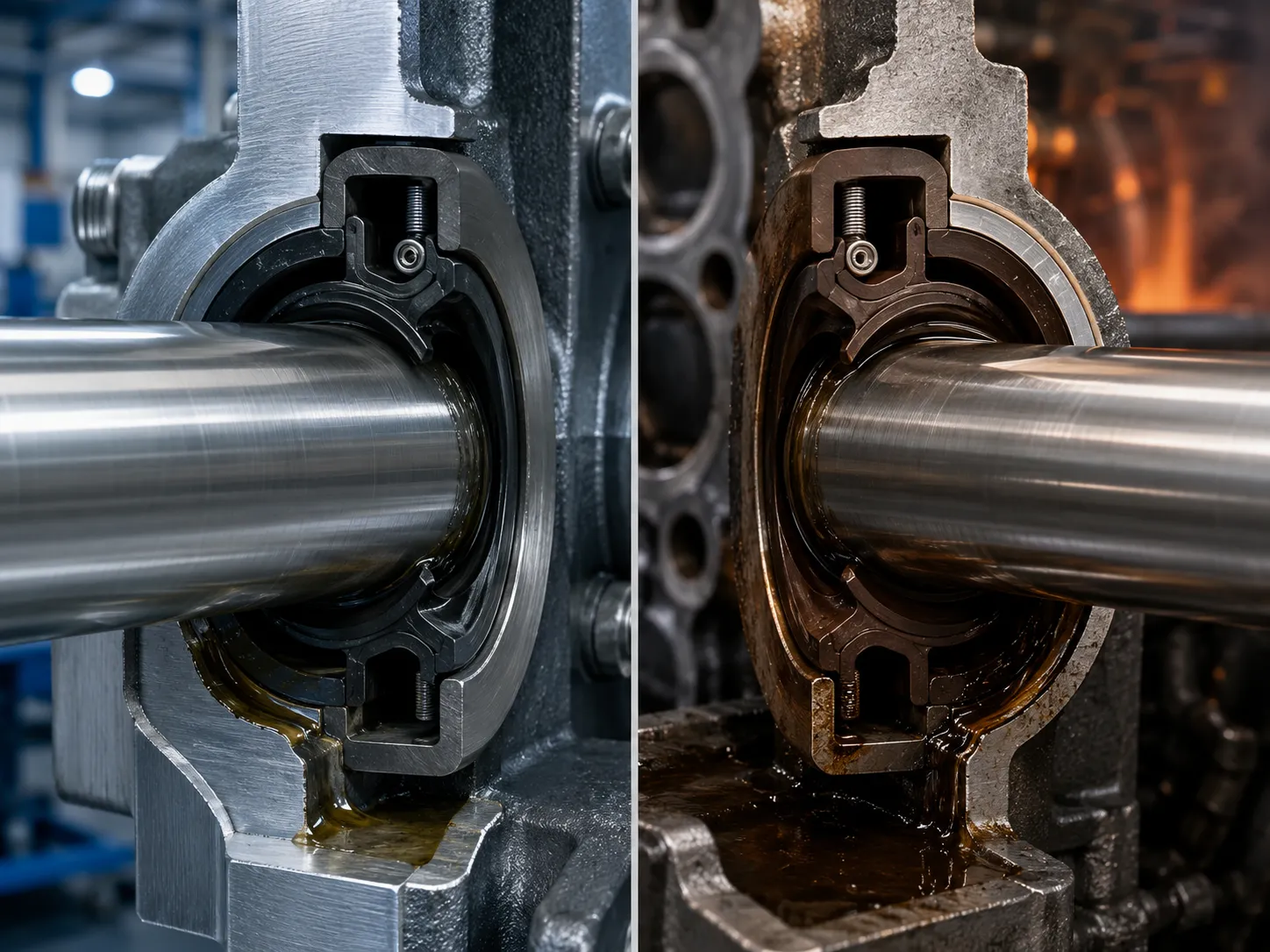
However, a dust lip is not a substitute for proper machine protection. If the application is exposed to heavy mud, abrasive slurry, high-pressure washdown, severe water ingress, or continuous external contamination, a standard TC seal may not be enough. A cassette seal, heavy-duty seal, labyrinth arrangement, V-ring, mechanical face seal, or other specialized sealing solution may be more appropriate.
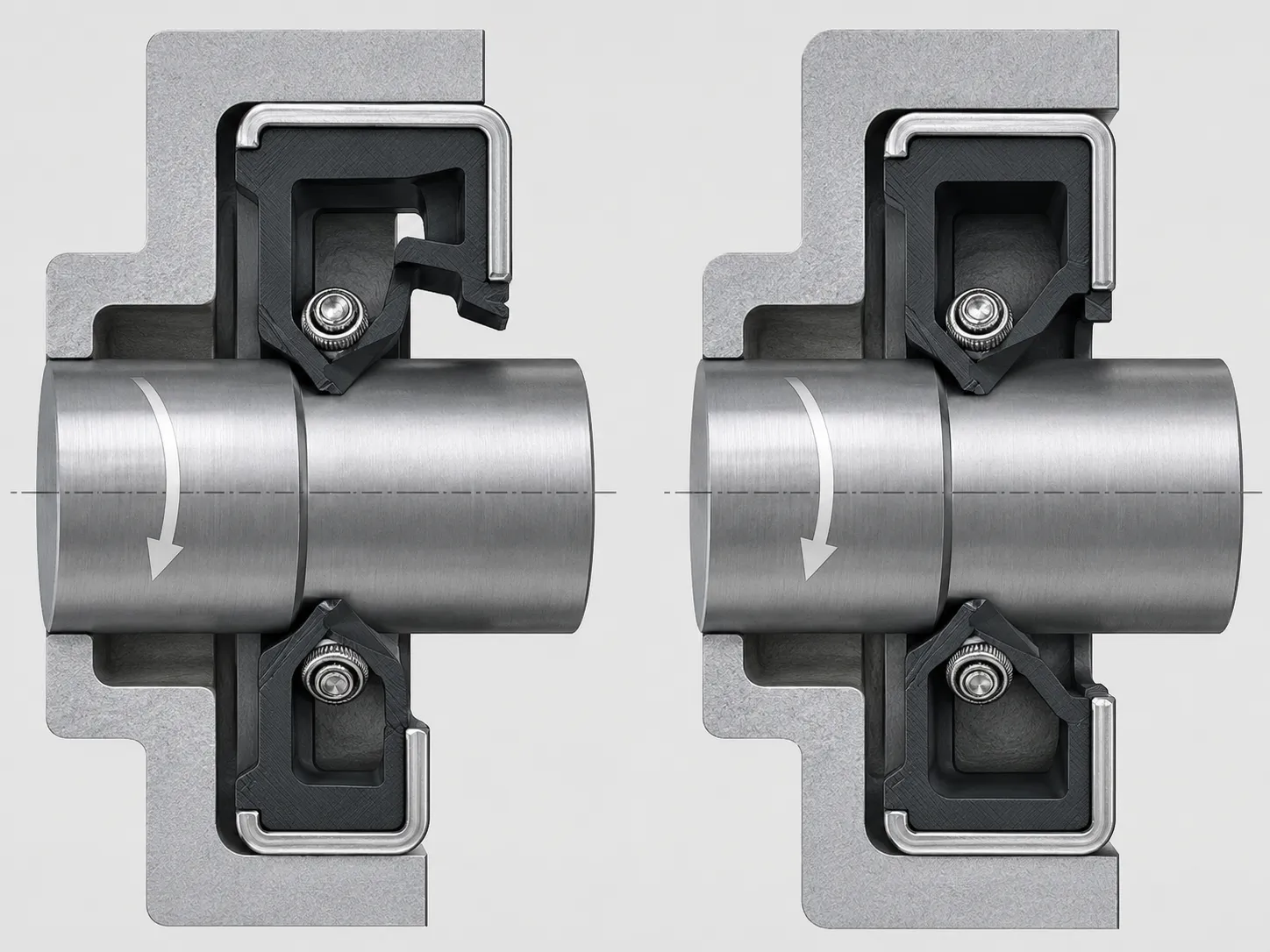
How the TC Dust Lip Works
The dust lip in a TC oil seal typically runs lightly against the shaft on the air side of the seal.
Its function is to help reduce the entry of:
Dust
Sand
Mud
Water splash
Metal particles
Road debris
Agricultural residue
General airborne contamination
The dust lip helps create a protected space between the main sealing lip and the outside environment.
For many TC oil seals, a small amount of compatible grease may be placed in the cavity between the main lip and dust lip during installation. This can help reduce friction, support contamination protection, and prevent dry running of the auxiliary lip during initial operation.
However, excessive grease should be avoided. Too much grease can create heat, drag, or unwanted pressure in the lip cavity.
The correct installation method should always follow the seal manufacturer's guidance.
Does a TC Oil Seal Always Seal Better Than an SC Oil Seal?
Not necessarily.
A TC oil seal has better external contamination protection in many applications because of the auxiliary dust lip. However, this does not automatically mean it is the best choice in every case.
The main oil-retaining performance of both TC and SC seals depends on factors such as:
Correct seal size
Material compatibility
Shaft surface condition
Shaft runout
Shaft speed
Pressure level
Lubrication quality
Installation quality
Housing bore condition
Operating temperature
Fluid type
Seal lip design
Spring performance
A correctly selected SC oil seal can perform very well in a clean and protected application.
A TC oil seal can still leak if it is installed on a grooved shaft, exposed to excessive pressure, selected in the wrong material, or damaged during installation.
The best choice depends on the full operating condition, not only on the number of lips.
TC Oil Seal Applications
TC oil seals are commonly used in applications where the shaft area may be exposed to dust, dirt, water, or general contamination.
Typical TC oil seal applications include:
Automotive crankshaft seals
Camshaft seals
Wheel hub assemblies
Axle shafts
Agricultural machinery
Construction equipment
Gearboxes
Pumps
Electric motors
Industrial reducers
Conveyor equipment
Outdoor machinery
Off-road vehicles
Farm equipment
General-purpose rotating equipment
TC seals are especially useful when the air side of the seal is exposed to a working environment that is not clean or fully enclosed.
For example, a gearbox used in agricultural equipment may operate around dust, soil, grass, moisture, and vibration. A TC seal can offer better protection for the primary lip than an SC seal in this type of environment.
SC Oil Seal Applications
SC oil seals are commonly used in standard applications where external contamination is limited.
Typical SC oil seal applications include:
Indoor motors
Pumps in protected environments
Clean industrial gearboxes
Machinery with enclosed shaft areas
Standard automotive or industrial applications with additional external covers
Light-duty equipment
Clean production machinery
General lubrication retention applications
SC seals can be a practical and cost-effective choice when the shaft area is well protected and the system does not face significant external contamination.
For example, an enclosed industrial motor or gearbox operating indoors may not need an auxiliary dust lip if the shaft is protected by the machine design and the environment remains clean.
TC vs SC Oil Seal Material Options
Both TC and SC oil seals can be manufactured in different elastomer materials. The lip configuration is only one part of the selection process.
Common material options include:
NBR: Suitable for many standard mineral oils, lubricants, and moderate-temperature applications.
ACM: Often used in automotive applications because of its resistance to lubricating oils and heat.
FKM: Suitable for higher-temperature, fuel-exposed, synthetic-oil, and more demanding fluid conditions.
PTFE: Used in selected high-speed, low-friction, high-temperature, or specialized sealing applications.
For example, a TC oil seal made from NBR may be suitable for a standard agricultural gearbox with moderate operating temperatures. A TC oil seal made from FKM may be better suited to a high-temperature engine application.
The same is true for SC seals. A clean environment does not eliminate the need to select the correct material for the fluid and temperature.
Before ordering, confirm:
Lubricant or fluid type
Maximum continuous temperature
Minimum startup temperature
Shaft speed
Shaft surface condition
Exposure to fuel, chemicals, water, dust, or mud
Pressure condition
Required service life
When Should You Choose a TC Oil Seal?
A TC oil seal is usually the better choice when contamination protection is important.
Choose a TC oil seal when:
The shaft is exposed to dust or dirt
The equipment operates outdoors
The machine is used in agriculture, construction, mining, or off-road conditions
Water splash or moisture may reach the shaft area
The seal location is near wheels, axles, chains, conveyors, or exposed rotating parts
The equipment operates in a dirty workshop or industrial environment
Extra protection for the primary sealing lip is needed
The application is likely to experience external debris
A TC seal may cost slightly more than an SC seal, but the added dust lip can help reduce contamination-related lip wear in suitable applications.
When Should You Choose an SC Oil Seal?
An SC oil seal is usually appropriate when the main requirement is oil retention and the shaft area is relatively clean and protected.
Choose an SC oil seal when:
The shaft area is enclosed or shielded
External dust and moisture are limited
The equipment operates indoors
The application does not need an additional exclusion lip
The original equipment design specifies an SC type
Cost control is important
The environment is clean enough that a dust lip provides little additional value
An SC seal should not be selected only because it is cheaper. It should be selected because the actual application does not require the extra contamination protection of a TC design.
Can You Replace an SC Oil Seal With a TC Oil Seal?
In some cases, yes. A TC seal may be used instead of an SC seal when the dimensions, width, profile, material, shaft clearance, housing fit, and installation depth are suitable.
However, this should not be treated as an automatic upgrade.
Before replacing an SC seal with a TC seal, check:
Inner diameter
Outer diameter
Width
Seal profile
Shaft position
Housing depth
Lip clearance
Shaft finish
Material requirement
Fluid compatibility
Shaft speed
Temperature range
Pressure condition
Installation direction
Whether the dust lip has enough operating space
A TC seal may have a different lip position or overall design. If the housing is too shallow, the additional lip may interfere with an internal shoulder or rotating component.
The safest method is to compare the original seal sample, OEM reference, product drawing, and installation dimensions before substitution.
Can You Replace a TC Oil Seal With an SC Oil Seal?
Replacing a TC seal with an SC seal is possible in some applications, but it removes the auxiliary dust lip.
This may be acceptable if the machine operates in a clean, enclosed environment and the original TC design was not essential for contamination protection.
However, it is generally not recommended when:
The shaft area is exposed to dust or mud
The equipment operates outdoors
Water splash is common
The original equipment design uses a TC seal for protection
The seal is used on agricultural, construction, or off-road machinery
The equipment has a history of contamination-related seal failure
Removing the dust lip may increase the chance of dirt reaching the primary sealing lip.
Installation Tips for TC and SC Oil Seals
Correct installation is important for both TC and SC oil seals.
Before installation:
Confirm the correct seal type and dimensions
Check the shaft for grooves, scratches, corrosion, or sharp edges
Inspect the housing bore for damage or looseness
Clean the shaft and housing carefully
Confirm the correct installation direction
Check the lip material against the fluid and temperature
Use the correct installation tool
Protect the sealing lip when passing over splines, threads, or keyways
During installation:
Press the seal evenly into the housing
Do not strike the seal directly with a hammer
Avoid bending the metal case
Avoid damaging the sealing lip
Do not install the seal too deep or too shallow
Apply the correct lubricant where required
Use a protective sleeve if the shaft has sharp edges
For a TC seal, make sure the dust lip faces the contamination side. For both TC and SC types, the primary sealing lip should face the fluid or lubricant side.
After installation:
Check for correct alignment
Confirm the shaft rotates freely
Inspect the seal area after initial operation
Check for oil seepage or abnormal heat
Reinspect after a short service period
Common TC and SC Oil Seal Selection Mistakes
Assuming TC and SC Codes Are Universal
TC and SC labels are widely used, but not every manufacturer uses the same naming system. Always check the technical drawing and actual lip structure.
Choosing by Size Only
A seal with the correct ID, OD, and width can still be wrong if the lip design, material, pressure capability, or installation direction does not match the application.
Using SC in a Dirty Environment
An SC seal may retain oil successfully at first, but external contamination can shorten lip life if the shaft area is exposed to dust, water, or abrasive particles.
Using TC Where There Is No Clearance
A TC seal may have an extra lip and different internal geometry. In a shallow housing or tight installation space, the dust lip may interfere with nearby parts.
Ignoring Shaft Surface Damage
Neither TC nor SC seals can compensate for a deeply grooved, scratched, corroded, or misaligned shaft. A repair sleeve, shaft repair, or bearing inspection may be required.
Selecting the Wrong Material
Lip configuration does not replace material selection. NBR, FKM, ACM, PTFE, and other materials have different temperature and fluid resistance.
How to Choose the Right Type
The best way to choose between a TC and SC oil seal is to start with the application rather than the code.
Ask the following questions:
Is the shaft exposed to dust, dirt, water, or mud?
Is the equipment used indoors or outdoors?
Does the original design include a dust lip?
Is the shaft area protected by another cover or shield?
What lubricant or fluid is being sealed?
What is the operating temperature?
What is the shaft speed?
Is there pressure inside the housing?
Is the shaft surface smooth and undamaged?
Is there enough space for the selected seal profile?
What are the required ID, OD, and width?
Does the equipment require an OEM-equivalent lip design?
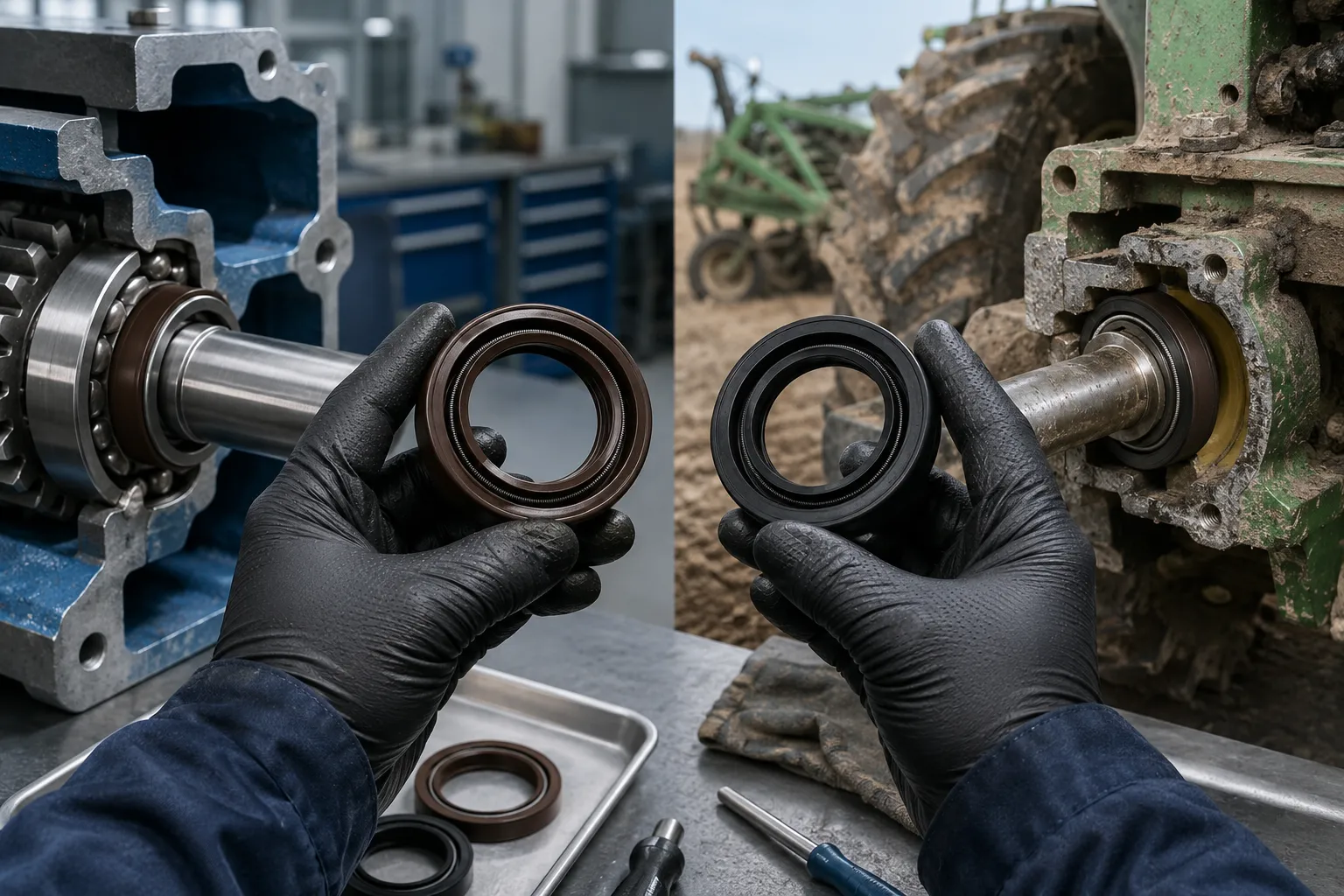
For clean and protected applications, an SC oil seal may be sufficient. For exposed or contaminated applications, a TC oil seal is often the more suitable choice.
Conclusion
TC and SC oil seals have similar basic functions: both are designed to retain lubricant around a rotating shaft.
The main difference is usually the lip structure. An SC oil seal typically has one primary sealing lip, while a TC oil seal typically has one primary sealing lip plus an auxiliary dust lip.
The TC design can provide better protection in dusty, wet, or contaminated environments. The SC design can be a practical choice for clean and protected applications where the extra dust lip is not required.
However, type code alone is not enough for correct selection. Before ordering, confirm the dimensions, lip configuration, material, shaft condition, fluid type, temperature range, pressure level, installation direction, and manufacturer drawing.
For oil seal selection, SealVendor can support TC, SC, TB, SB, and custom oil seal options based on sample identification, drawings, OEM references, material requirements, and application conditions.