A crankshaft oil seal is a relatively inexpensive part, but replacing it can range from a straightforward repair to a labor-intensive job. The main reason is access. A front crankshaft seal is usually located near the crankshaft pulley and timing cover, while a rear crankshaft seal—often called a rear main seal—is located between the engine and transmission.
As a result, the cost of the seal itself is often only a small part of the final bill. Labor, vehicle layout, related parts, and the condition of nearby components usually have a much greater effect on the total repair cost.
This guide explains how crankshaft seal replacement costs are calculated, why rear seal repairs are usually more expensive, and what to check before choosing a replacement seal or approving repair work.
What Is a Crankshaft Seal?
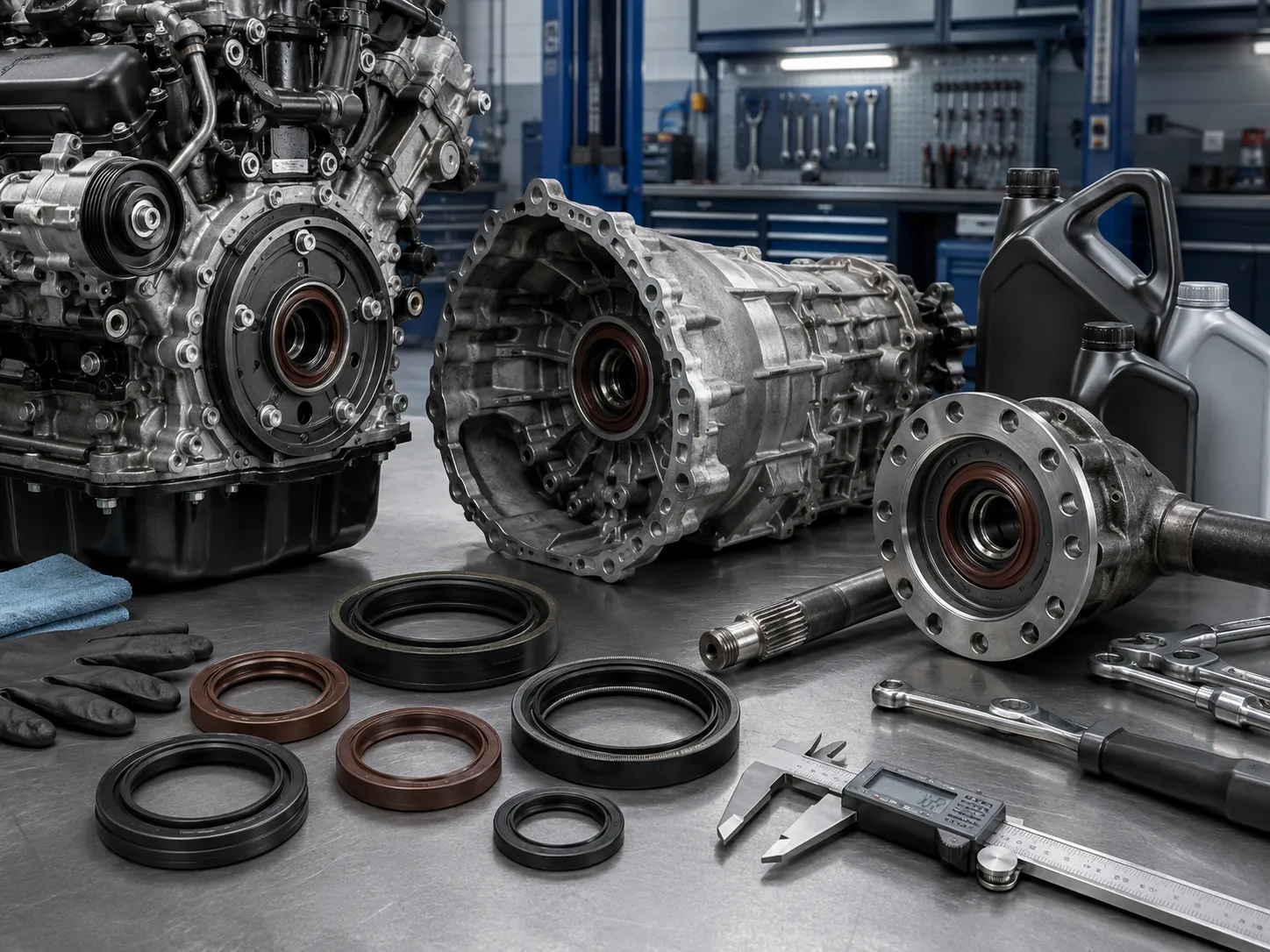
A crankshaft seal is a rotary oil seal installed around the crankshaft to keep engine oil inside the engine while the crankshaft rotates.
Most engines use two main crankshaft seals:
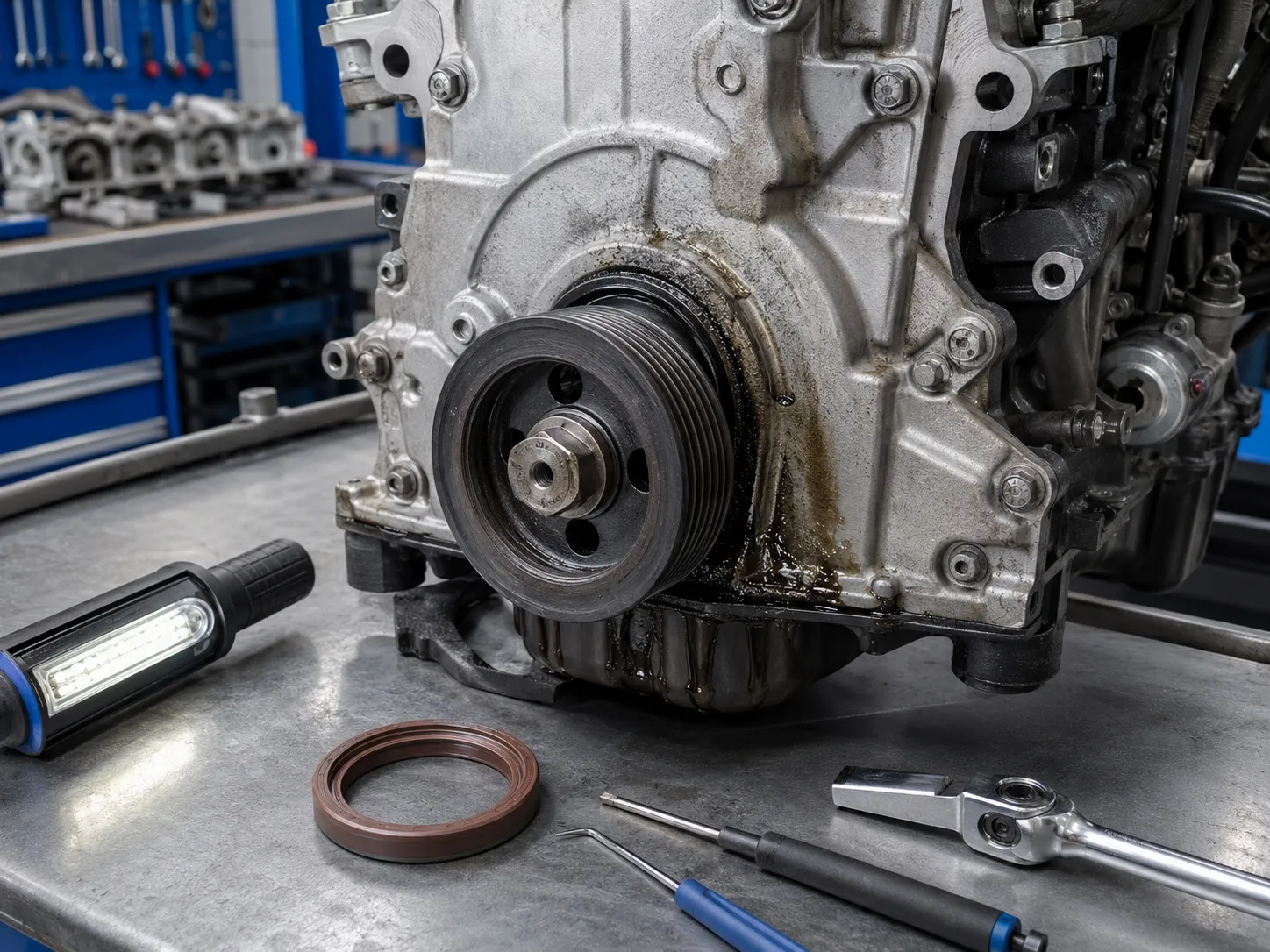
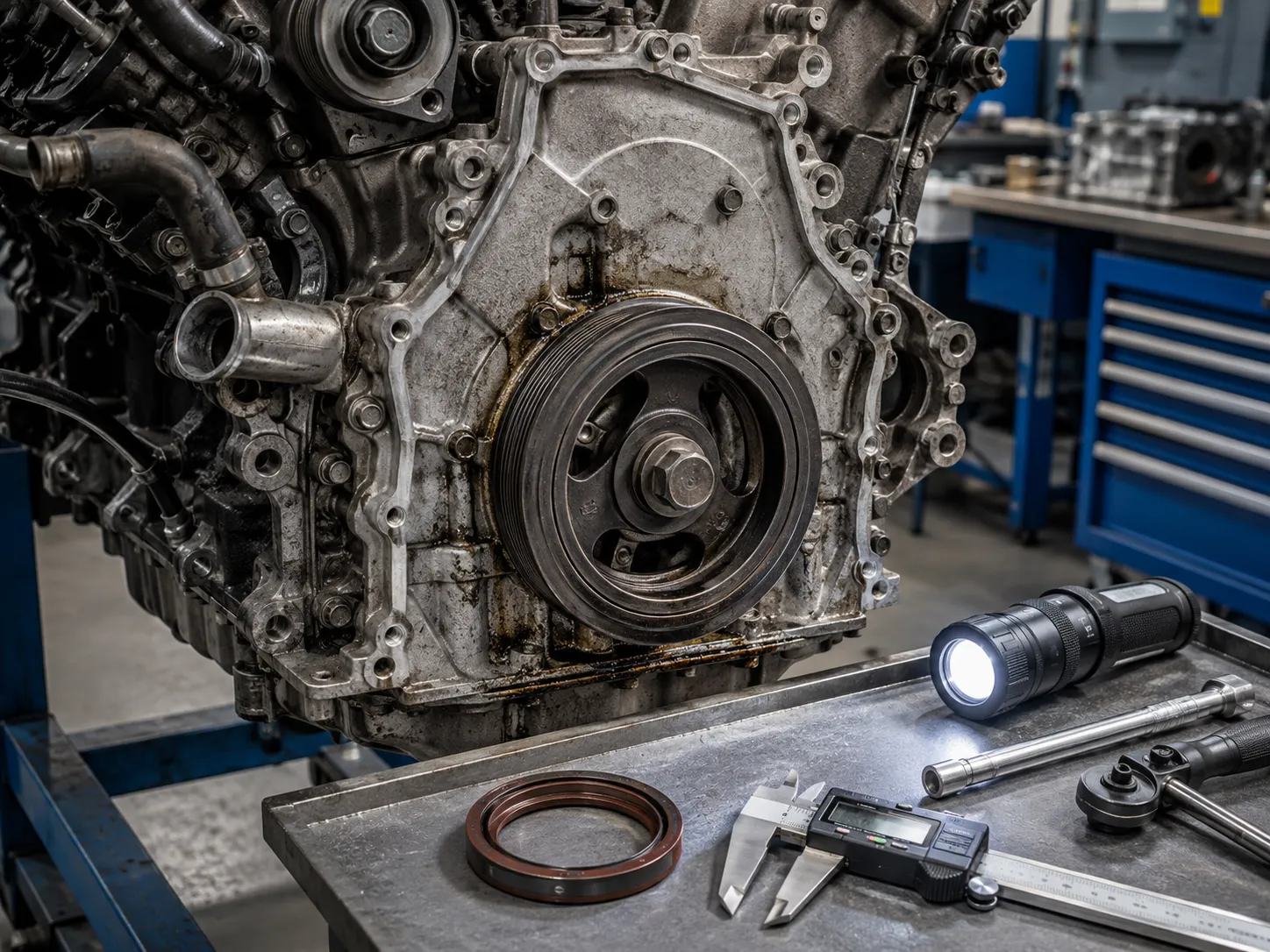
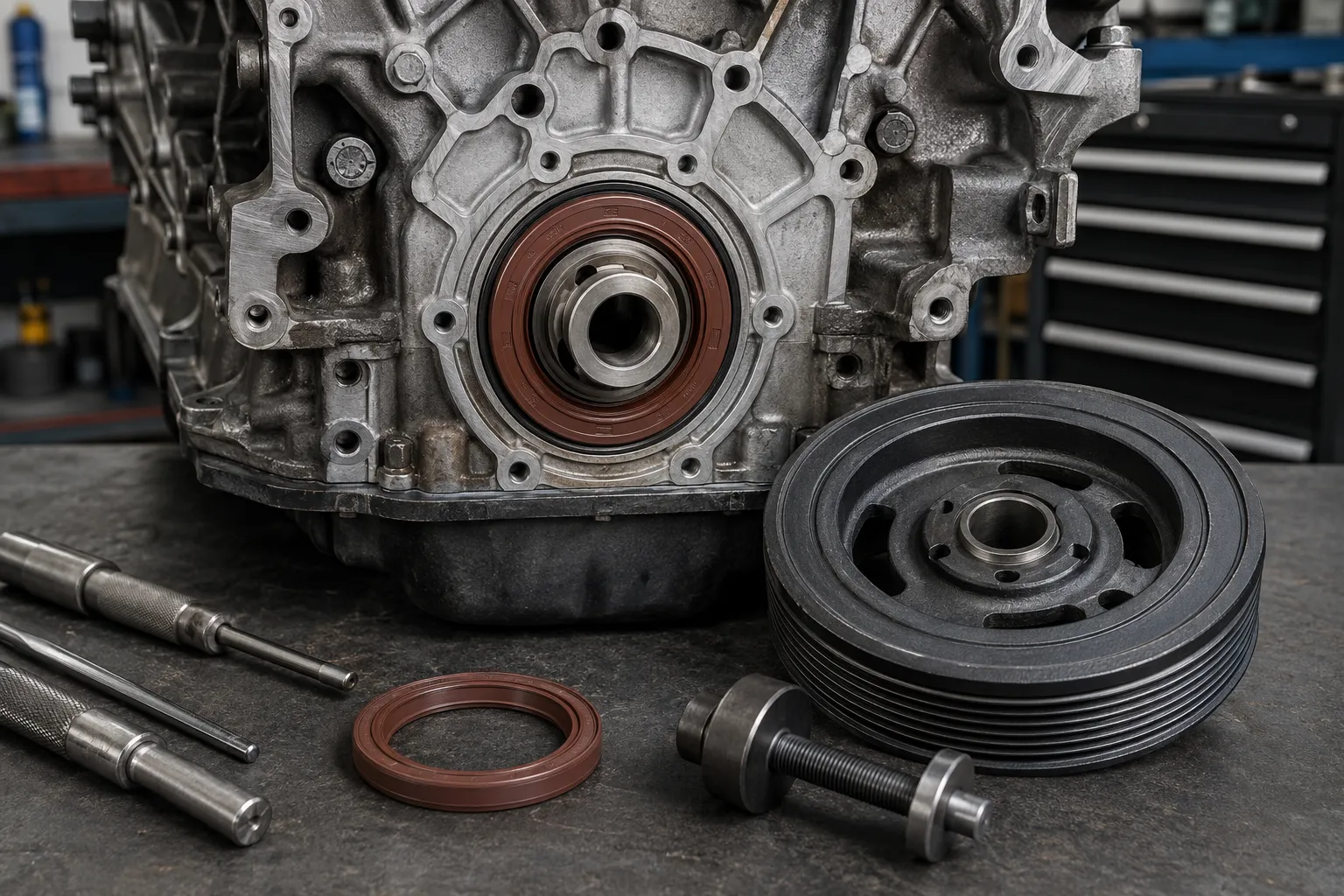
Front crankshaft seal: Located near the crankshaft pulley, harmonic balancer, timing cover, or accessory belt area.
Rear crankshaft seal: Located at the rear of the engine, where the crankshaft connects to the transmission or flywheel area. It is commonly called the rear main seal.
Both seals perform the same basic job, but they are located in very different positions. That difference in access is the main reason their replacement costs can be far apart.
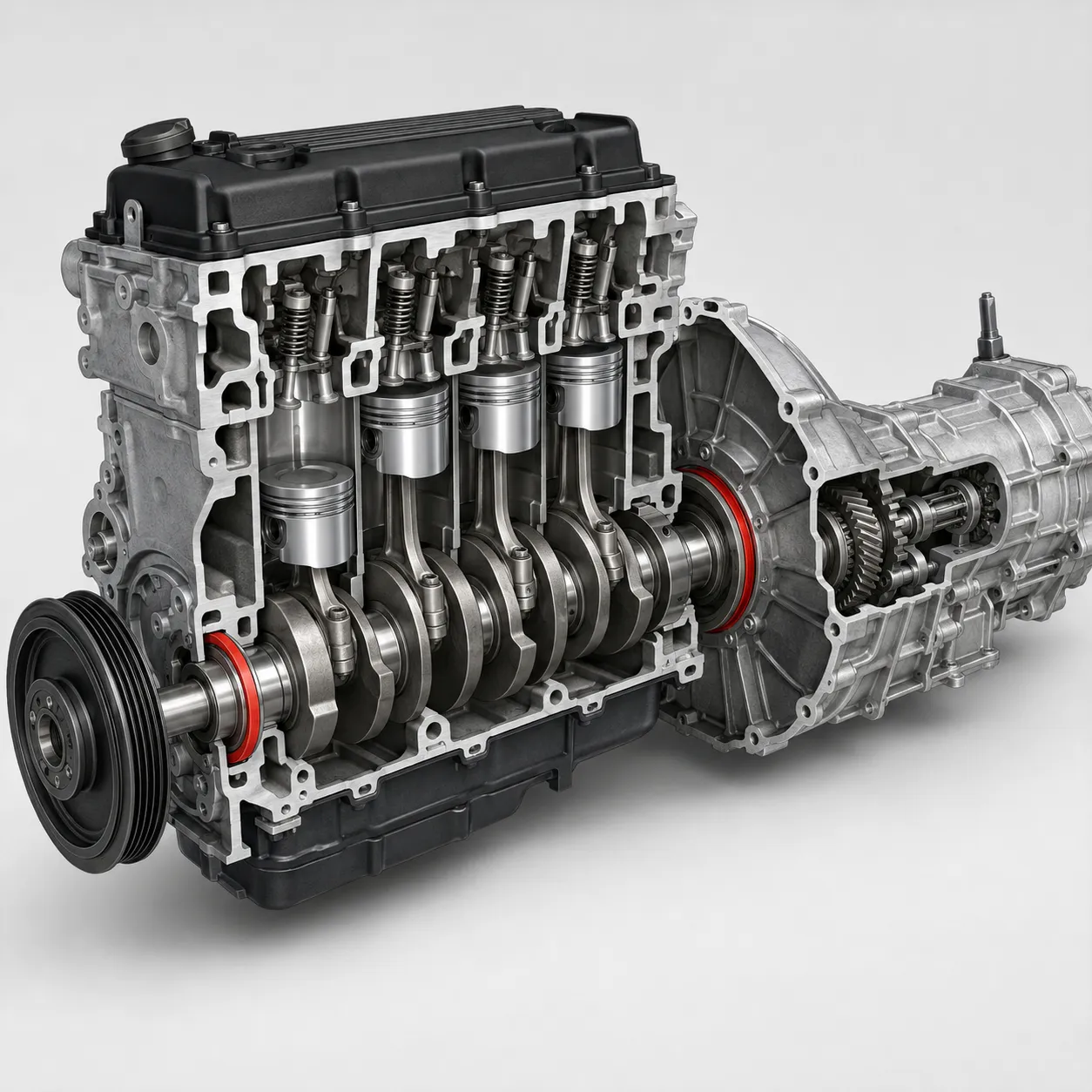
Typical Crankshaft Seal Replacement Cost
For many passenger vehicles in the United States, a front crankshaft seal replacement may often fall within a broad range of approximately $200 to $800. A rear crankshaft seal replacement can often range from approximately $600 to $1,500 or more.
These figures are only general repair estimates. The actual cost can be lower or higher depending on the vehicle, engine design, labor rate, repair method, and whether related parts need to be replaced at the same time.
Repair Item | Typical Parts Cost | Typical Labor Requirement | Broad Total Cost Range |
|---|---|---|---|
Front crankshaft seal | Usually low | Moderate access work | Approx. $200–$800 |
Rear crankshaft seal / rear main seal | Usually low to moderate | High access work | Approx. $600–$1,500+ |
Related gasket, belt, pulley, or cover repair | Varies by vehicle | Adds labor and parts | Can increase total cost significantly |
The seal itself may cost only a small amount compared with the labor required to reach it. This is especially true for rear main seal repairs, where the transmission, transfer case, exhaust components, driveshaft, or other parts may need to be removed.
Front Crankshaft Seal Replacement Cost
The front crankshaft seal is usually located behind the crankshaft pulley or harmonic balancer. Depending on the engine design, the repair may require removal of accessory belts, pulleys, engine mounts, timing covers, or timing components.
On some engines, the front seal is relatively accessible. On others, it is located behind a complex timing cover or requires significant disassembly.
What Affects Front Crankshaft Seal Cost?
The main cost factors include:
Engine layout and available working space
Access to the crankshaft pulley
Timing belt or timing chain configuration
Need to remove the harmonic balancer
Condition of the timing cover gasket
Whether belts, pulleys, or tensioners are contaminated with oil
Local labor rates
Vehicle make, model, and engine size
If the vehicle is already receiving timing belt service, timing cover repair, water pump replacement, or crankshaft pulley work, replacing a leaking front crankshaft seal at the same time may reduce future labor costs.
Rear Crankshaft Seal Replacement Cost
The rear crankshaft seal is located between the engine and transmission. Because of its position, it is usually much more difficult to access than the front seal.
In many vehicles, the transmission must be removed before the rear seal can be replaced. Depending on the drivetrain layout, the repair may also involve removing driveshafts, exhaust components, crossmembers, transfer case parts, clutch components, or other related assemblies.
This is why a rear crankshaft seal repair is often expensive even when the replacement seal itself is inexpensive.
Why Is a Rear Main Seal More Expensive?
The higher cost is mainly caused by labor rather than parts.
A repair shop may need to:
Remove the transmission
Disconnect or support drivetrain components
Remove the flywheel or flexplate
Access the rear of the crankshaft
Inspect the crankshaft sealing surface
Install the new rear main seal
Reassemble and test the vehicle
The total cost can increase further if the vehicle has all-wheel drive, four-wheel drive, a large engine, limited working space, or difficult transmission access.
Front Seal vs Rear Seal: Which One Costs More?
In most cases, the rear crankshaft seal costs more to replace.
The front seal is typically located in the timing cover and pulley area. It may still require several hours of labor, but the repair is usually completed from the front of the engine.
The rear seal is located between the engine and transmission. Access often requires transmission removal, which makes the job more time-consuming and more expensive.
Comparison Item | Front Crankshaft Seal | Rear Crankshaft Seal |
Typical location | Near crankshaft pulley and timing cover | Between engine and transmission |
Access difficulty | Moderate | High |
Labor cost | Often moderate | Usually high |
Related repair opportunities | Timing belt, timing cover, water pump | Clutch, flywheel, transmission service |
Total repair cost | Often lower | Usually higher |
Before approving a repair, it is important to confirm the actual leak source. Oil from a valve cover gasket, oil pan gasket, timing cover gasket, camshaft seal, transmission seal, or other nearby component can sometimes be mistaken for a crankshaft seal leak.
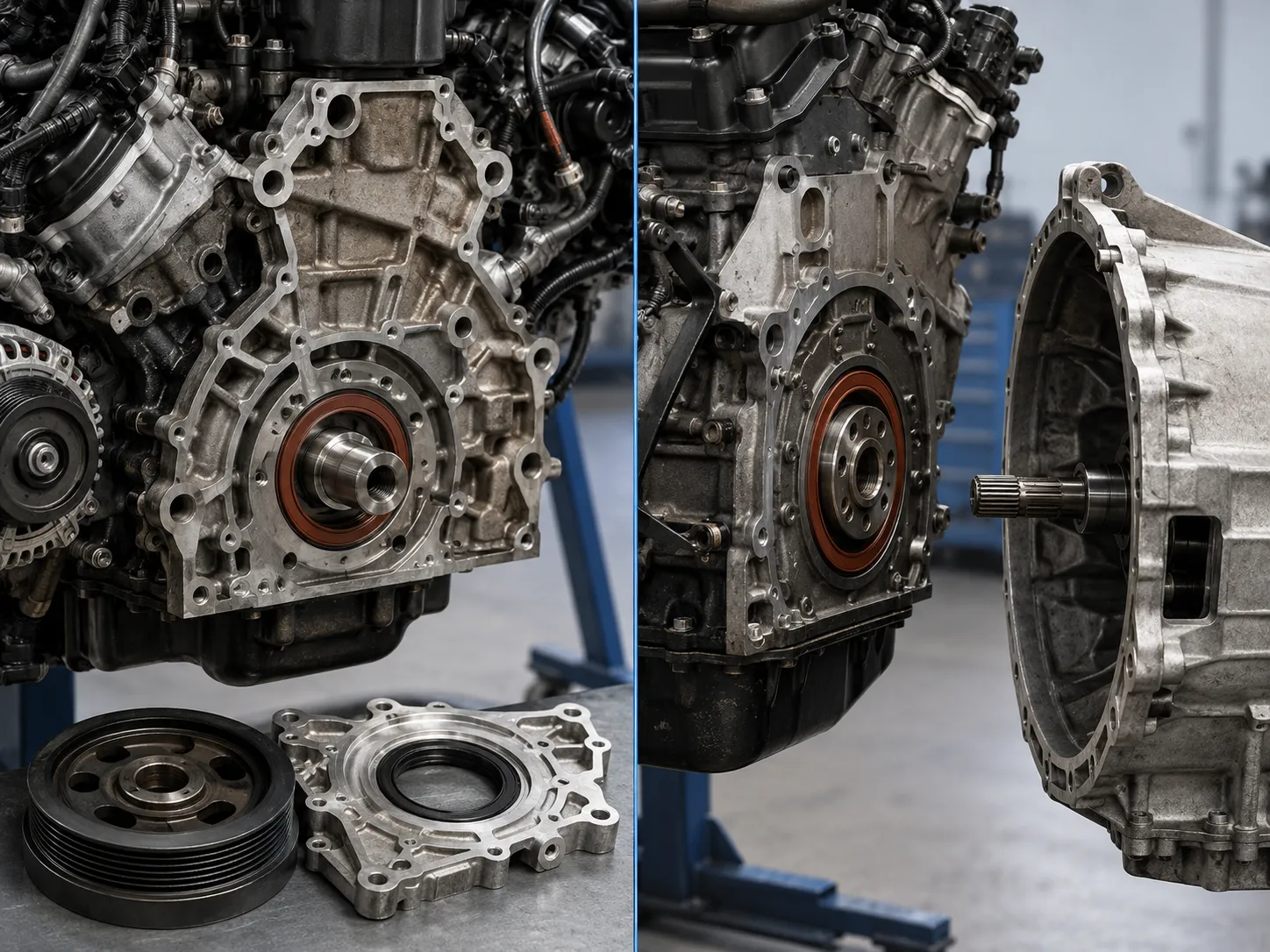
Key Factors That Affect Crankshaft Seal Replacement Cost
Vehicle Make, Model, and Engine Design
A compact four-cylinder engine may be easier to access than a large V6, V8, diesel engine, or turbocharged engine. Vehicles with tightly packed engine bays, transverse engine layouts, all-wheel-drive systems, or complex accessory arrangements may require more labor.
The same type of seal can have very different replacement costs on different vehicles.
Front or Rear Seal Location
The location of the leak is one of the biggest cost factors.
A front crankshaft seal may be accessible after removing the pulley and timing cover. A rear main seal usually requires access from the transmission side of the engine, which can involve much more disassembly.
Labor Rates in Your Area
Repair labor rates vary by region, workshop type, dealership pricing, and technician experience.
A labor-intensive rear main seal repair may cost significantly more in areas with higher hourly shop rates. This is why two quotes for the same vehicle can be very different even when the replacement seal is identical.
Related Parts and Additional Repairs
The total bill may increase if other worn or contaminated parts are found during inspection.
Common related items include:
Timing belt or timing chain components
Timing cover gasket
Oil pan gasket
Crankshaft pulley or harmonic balancer
Serpentine belt
Belt tensioner or idler pulley
Clutch disc, pressure plate, or release bearing
Flywheel or flexplate components
Transmission mount or engine mount
PCV valve or crankcase ventilation components
Some of these parts may not need replacement. However, if they are already worn, damaged, contaminated with oil, or easy to access during the same repair, replacing them at the same time may make practical sense.
Crankshaft Surface Condition
A new seal may not perform well if the crankshaft sealing surface is worn, grooved, scratched, or corroded.
If the shaft surface has visible wear, the repair may require a repair sleeve, surface treatment, or other corrective work. This can increase the total cost but may be necessary to prevent the new seal from leaking again.
Seal Material and Design
The seal material should match the operating conditions.
Common materials include:
NBR: Suitable for many standard oil sealing applications
ACM: Often used in automotive environments with heat and lubricating oil exposure
FKM: Offers stronger high-temperature and oil resistance
PTFE: Used in some special high-speed, low-friction, or advanced sealing applications
Material selection is important, but it usually has less effect on the total repair cost than labor. Choosing the wrong seal size, material, lip design, or installation direction can lead to repeat leakage and additional repair expense.
When Does It Make Sense to Replace Related Parts?
Replacing related parts during crankshaft seal service can be a practical decision when labor overlap is significant.
For a front crankshaft seal repair, related service may include timing belt replacement, water pump replacement, timing cover gasket replacement, or replacement of oil-contaminated belts and pulleys.
For a rear crankshaft seal repair, related service may include clutch inspection, flywheel inspection, transmission input shaft seal inspection, or replacement of worn transmission-related components.
This does not mean every nearby part should be replaced automatically. The best approach is to inspect the condition of each component and compare the additional parts cost with the labor savings of doing the work at the same time.
Can You Drive With a Crankshaft Seal Leak?
A small oil seep may not require immediate emergency repair, but it should be monitored. Check the engine oil level regularly and inspect the leak area for signs that the problem is becoming worse.
A heavy leak should be repaired as soon as possible. Continuous oil loss can reduce engine lubrication, while oil contamination can damage belts, rubber components, and nearby parts.
Driving should be avoided when:
The engine oil level is dropping quickly
Oil is dripping heavily
The oil warning light is on
Oil is reaching belts or timing components
Burning oil smell or smoke is present
The leak is contaminating clutch or transmission areas
The cost of early repair is often lower than the cost of repairing engine damage caused by low oil levels or replacing multiple oil-contaminated components later.
How to Get a More Accurate Repair Quote
A reliable quote should be based on the actual vehicle and confirmed leak source, not only on a general description of an oil leak.
Before approving repair work, provide the workshop with:
Vehicle make, model, and production year
Engine size or engine code
Front or rear leak location, if known
OEM part number, if available
Photos of the leak area
Service history
Whether the vehicle has a timing belt, timing chain, manual transmission, automatic transmission, or all-wheel drive system
Any related symptoms, such as burning oil smell, belt contamination, or low oil level
Ask whether the quote includes labor, seal cost, related gaskets, fluids, taxes, diagnostic time, and any required additional parts. This makes it easier to compare quotes accurately.
Choosing the Right Replacement Crankshaft Seal
Before ordering a replacement seal, confirm the following details:
Front crankshaft seal or rear crankshaft seal
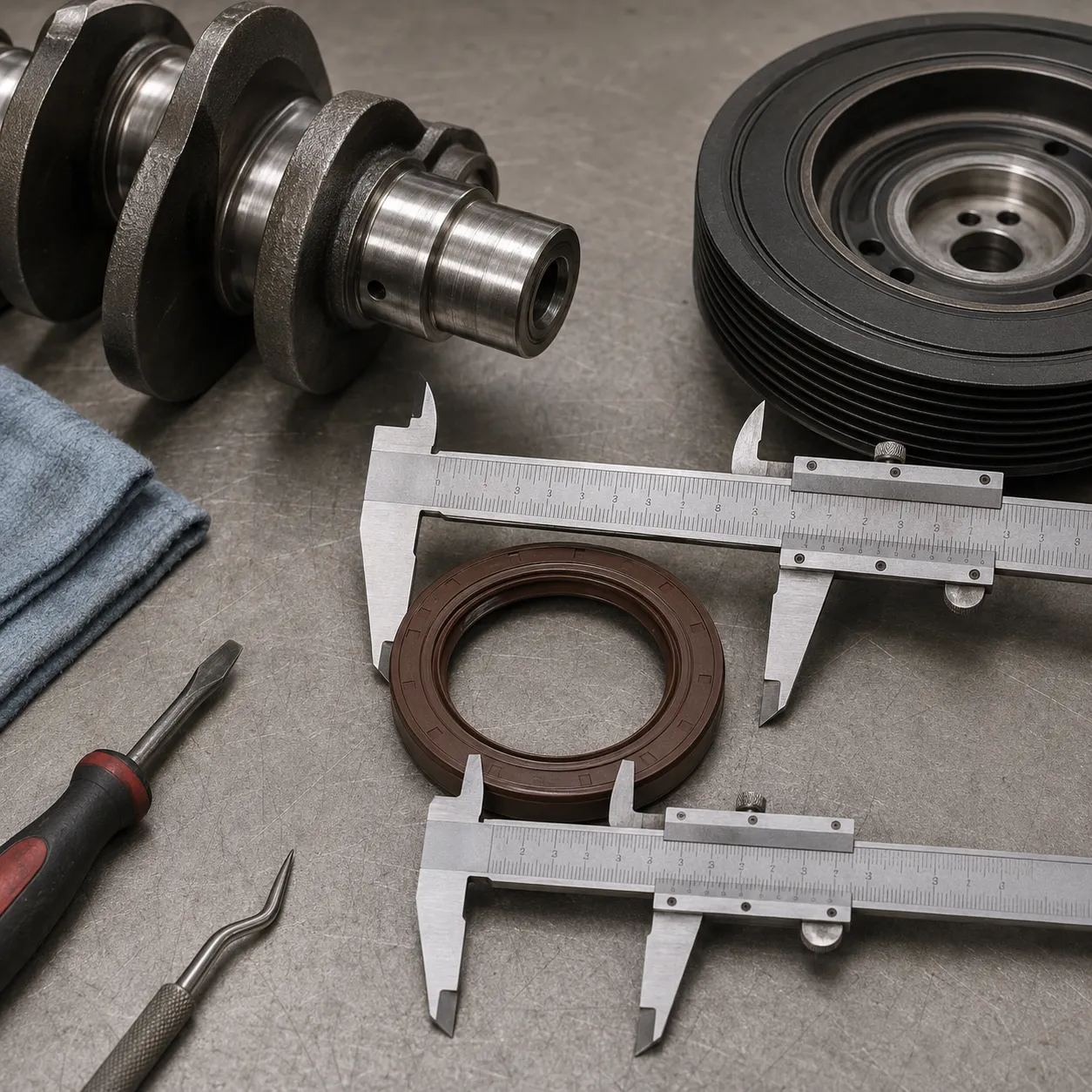
Inner diameter, outer diameter, and width
OEM part number
Engine model and application
Seal material
Lip configuration
Dust lip requirement
Spring-loaded lip requirement
Shaft surface condition
Installation direction
Operating temperature and oil compatibility
A correct seal must fit both the crankshaft and the housing properly. Even a high-quality seal can fail early if the size, material, profile, or installation method is incorrect.
Conclusion
Crankshaft seal replacement cost depends much more on labor access than on the price of the seal itself. A front crankshaft seal repair is often less expensive because it is usually accessed from the timing cover and pulley area. A rear crankshaft seal repair is commonly more expensive because the transmission or related drivetrain components may need to be removed.
The best way to control repair cost is to confirm the true leak source, choose the correct seal, inspect related components, and combine necessary repairs when labor overlap makes sense.
For replacement seal selection, SealVendor can support standard crankshaft oil seals, material matching, sample-based identification, drawing-based customization, and OEM reference support for automotive and industrial applications.