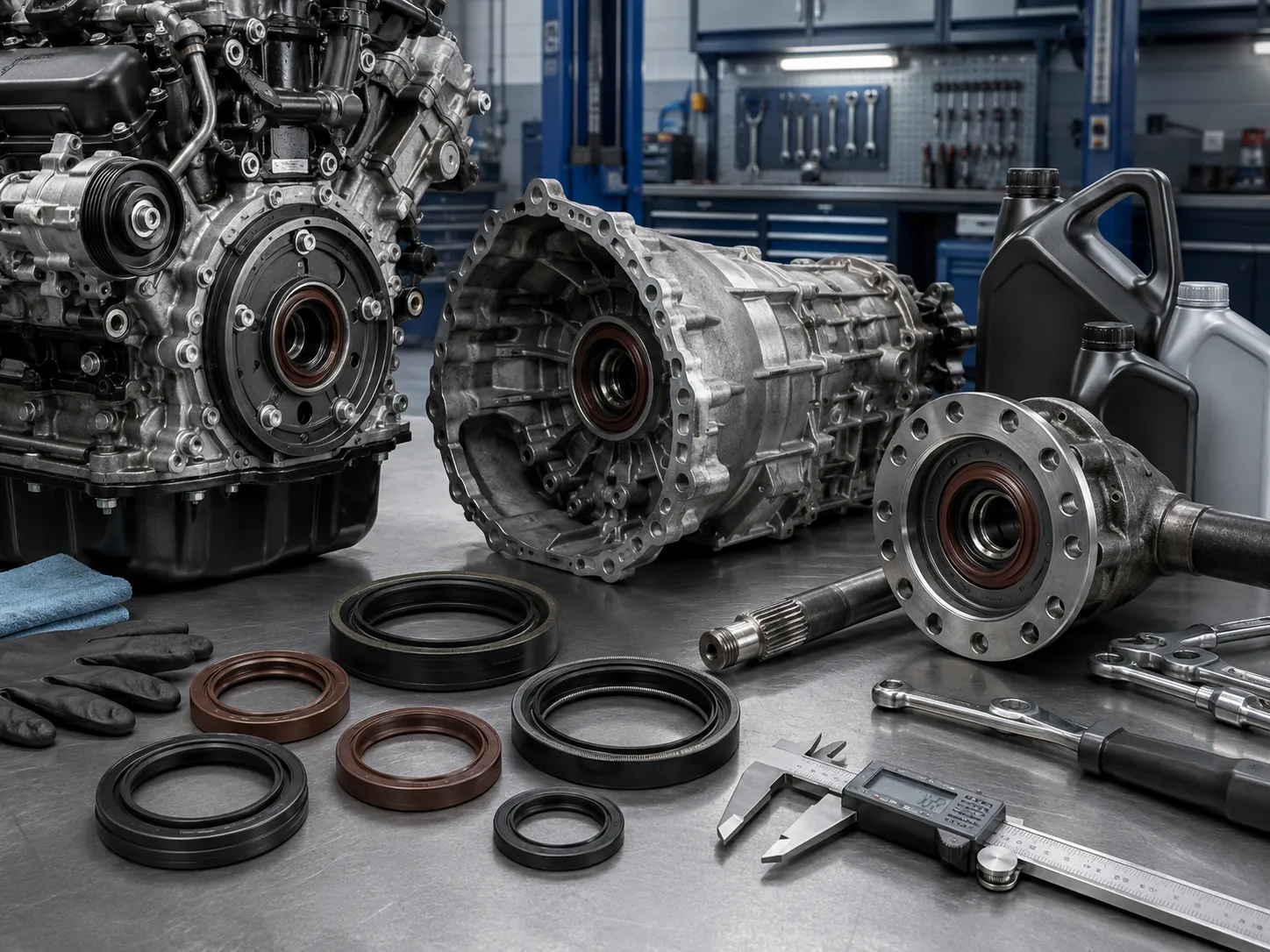
Oil seal replacement cost can vary from a relatively simple repair to a major drivetrain or engine service.
The seal itself is often inexpensive compared with the labor required to reach it. An accessible axle, output shaft, or selector shaft seal may require only limited disassembly. A rear main seal, transmission input seal, front pump seal, or deeply positioned differential seal may require removal of major components before the seal can be reached.
This is why two leaking oil seals can have very different repair costs even when the replacement parts look similar.
A correct estimate should consider more than the seal price. It should include the leak location, vehicle or equipment layout, labor time, fluid replacement, related parts, shaft condition, and the risk of repeat leakage after repair.
This guide explains what affects oil seal replacement cost, when labor becomes the main expense, and what to check before approving a repair or ordering a replacement seal.
What Does Oil Seal Replacement Cost Include?
An oil seal replacement estimate usually includes several separate items:
Leak diagnosis
Replacement seal
Labor to access the seal
Removal and reinstallation of nearby components
Fluid top-up or fluid replacement
Gaskets, O-rings, clips, fasteners, or related seals
Shaft or housing inspection
Cleaning of contaminated components
Test drive or post-repair leak inspection
Taxes, shop supplies, and disposal fees where applicable
The seal itself may only be a small part of the final bill.
For example, an external axle seal may cost relatively little as a part, but the repair may still require removal of a wheel, brake components, suspension connections, and the axle shaft.
A rear main seal can also be inexpensive as a part, but reaching it often requires removing the transmission. In that situation, labor and related service items can cost much more than the seal.
Typical Oil Seal Replacement Cost
The following ranges are broad planning references for passenger-vehicle repairs in the United States. Actual pricing can vary significantly by vehicle design, local labor rate, repair shop, drivetrain layout, fluid requirements, and related damage.
Repair Type | Typical Access Level | Broad Parts Cost | Broad Total Repair Range |
|---|---|---|---|
Accessible axle, output shaft, or selector shaft seal | Moderate | Usually low | Approx. $150–$600 |
Front crankshaft or camshaft seal | Moderate to high | Usually low | Approx. $250–$900 |
Differential axle shaft or side seal | Moderate to high | Low to moderate | Approx. $250–$900+ |
Differential pinion seal | Moderate to high | Low to moderate | Approx. $300–$1,200+ |
Transmission pan gasket or external sealing repair | Often accessible | Low to moderate | Approx. $200–$600 |
Transmission input seal, front pump seal, or torque-converter-area seal | High labor requirement | Usually low to moderate | Approx. $700–$2,000+ |
Rear main seal | High labor requirement | Usually low to moderate | Approx. $800–$2,000+ |
Industrial gearbox, pump, hydraulic cylinder, or heavy-equipment seal repair | Highly application-specific | Varies | Quote-based; access and downtime often dominate |
These ranges are not fixed prices or promises. They are intended to show how access difficulty changes the likely repair cost.
A seal replacement that requires only axle or cover removal may cost a few hundred dollars. A repair requiring transmission removal, driveshaft removal, major suspension disassembly, gearbox removal, or cylinder disassembly can cost much more.
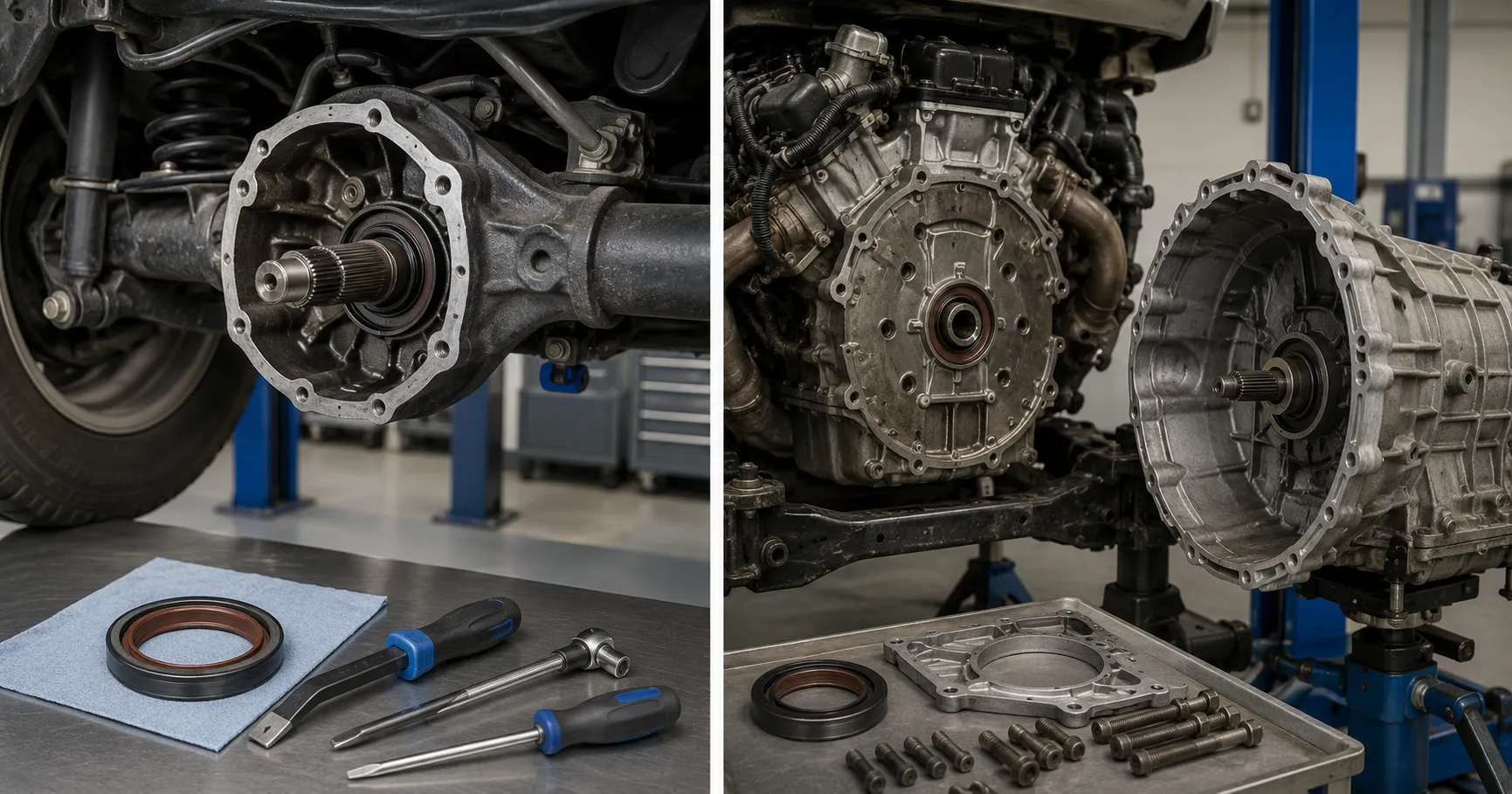
Why Labor Usually Costs More Than the Seal
For many oil seal repairs, labor is the main cost.
A seal may be a small rubber-and-metal component, but it is often installed behind parts that must be removed first. The repair cost rises when access requires major disassembly.
Common labor-intensive tasks may include:
Removing wheels and brake components
Removing CV axles or axle shafts
Disconnecting suspension or steering components
Removing driveshafts
Removing exhaust sections
Supporting or removing the transmission
Removing transfer case components
Removing differential flanges or yokes
Removing clutch components
Draining and refilling specialized fluids
Removing gearbox covers or machine guards
Disassembling hydraulic cylinders
Cleaning oil-contaminated parts
Labor can also increase when the vehicle uses all-wheel drive, four-wheel drive, a transverse engine layout, a tightly packaged engine bay, or a complex suspension and drivetrain arrangement.
The same seal type can therefore cost very different amounts to replace on two different vehicles.
Oil Seal Replacement Cost by Location
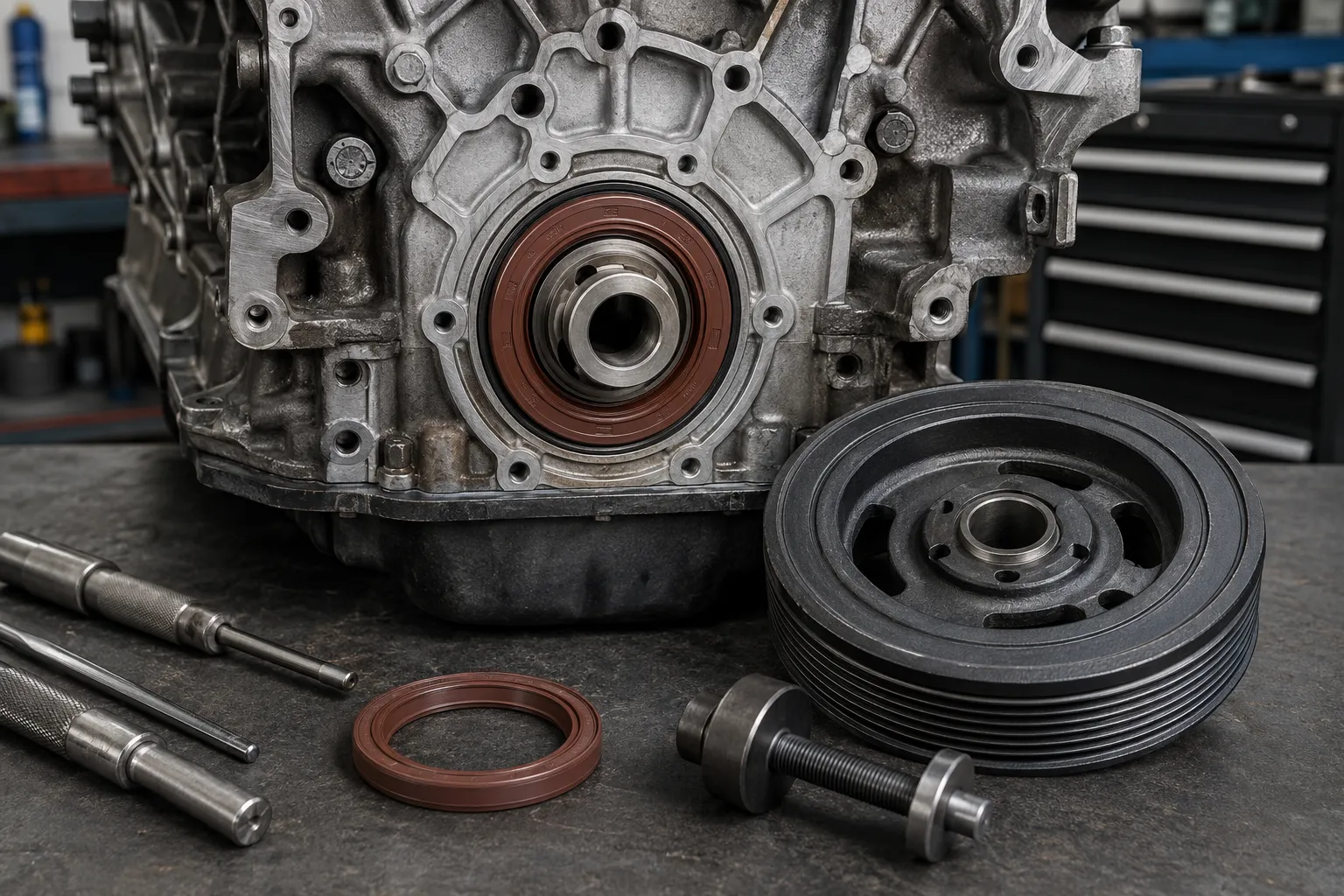
Front Crankshaft Seal Cost
A front crankshaft seal is usually located behind the crankshaft pulley or harmonic balancer.
The repair may require removal of accessory belts, pulleys, engine covers, wheel-well liners, or timing-related components depending on the vehicle design.
The seal itself is usually not expensive. The main cost comes from access.
The repair cost can increase when:
The crankshaft pulley is difficult to remove
The timing cover must be removed
The timing belt or timing chain area is involved
Oil has contaminated belts or pulleys
The crankshaft sealing surface is worn
Related front-engine service is needed
A front crankshaft seal repair is often less expensive than a rear main seal repair, but it can still become labor-intensive on some engines.
Camshaft Seal Cost
Camshaft seals are commonly located near the timing cover or camshaft pulley area.
The cost can vary depending on whether the timing belt, valve cover, camshaft gear, or other timing components must be removed.
Repair cost may rise when:
The timing belt is oil-contaminated
The vehicle is already due for timing belt service
Multiple camshaft seals are leaking
The camshaft surface is worn
The engine uses limited-access timing components
The repair requires careful timing alignment
A camshaft seal leak may look small, but it should be inspected promptly if oil is reaching timing components or belt-driven parts.
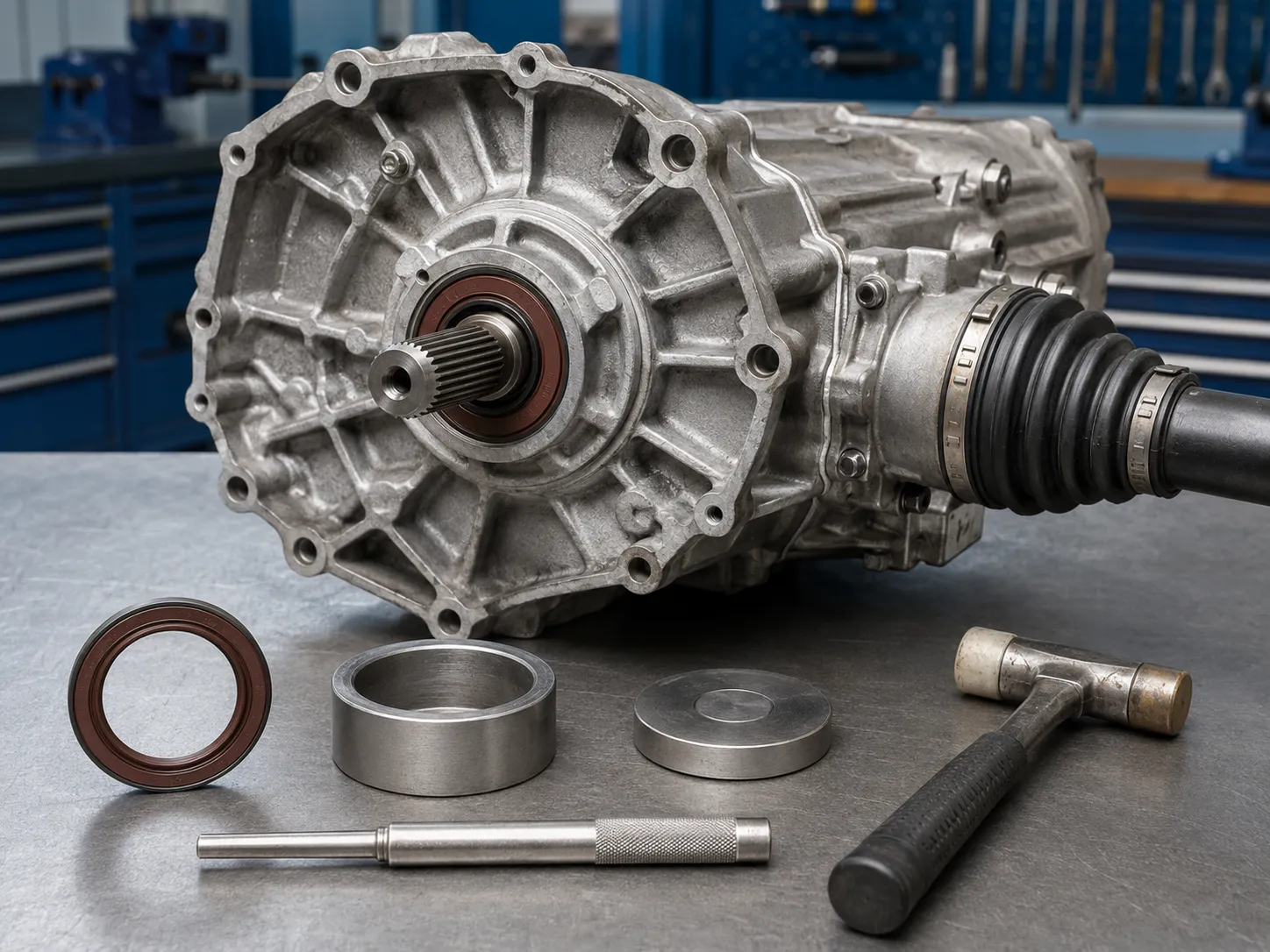
Axle Seal or Output Shaft Seal Cost
Axle seals and output shaft seals are often more accessible than engine-to-transmission seals, but the repair can still require significant work.
A front-wheel-drive axle seal may require removal of the wheel, brake components, axle nut, suspension connections, and inner CV axle.
A rear axle shaft seal may require removal of the wheel, brake components, axle shaft, hub assembly, or differential-related hardware.
The final cost depends on:
Vehicle drivetrain layout
Front-wheel drive, rear-wheel drive, all-wheel drive, or four-wheel drive
Axle removal procedure
Fluid type and refill requirement
Wheel-bearing condition
Shaft or axle surface condition
Brake contamination
Related suspension or CV axle issues
When gear oil reaches brake pads, shoes, rotors, or drums, the cost may rise because contaminated brake components may also require service.
Transmission Oil Seal Cost
Transmission oil seal replacement cost can vary widely because several different seals may be involved.
Common transmission-related seals include:
Axle seal
Output shaft seal
Selector shaft seal
Input shaft seal
Front pump seal
Torque converter seal
Extension housing seal
Transfer case output seal
An external axle or output seal may be relatively manageable.
An input shaft, front pump, or torque-converter-area seal can be much more expensive because the transmission may need to be removed before the seal can be reached.
The total cost may include:
Transmission removal and installation
Transmission fluid
Transmission filter service
Pan gasket
Torque converter inspection
Transmission mount inspection
Cooler line inspection
Clutch, flywheel, or flexplate inspection
Driveshaft or axle service
For a detailed breakdown, see: Transmission Oil Seal Replacement Cost: Parts, Labor, and Replacement Seal Options.
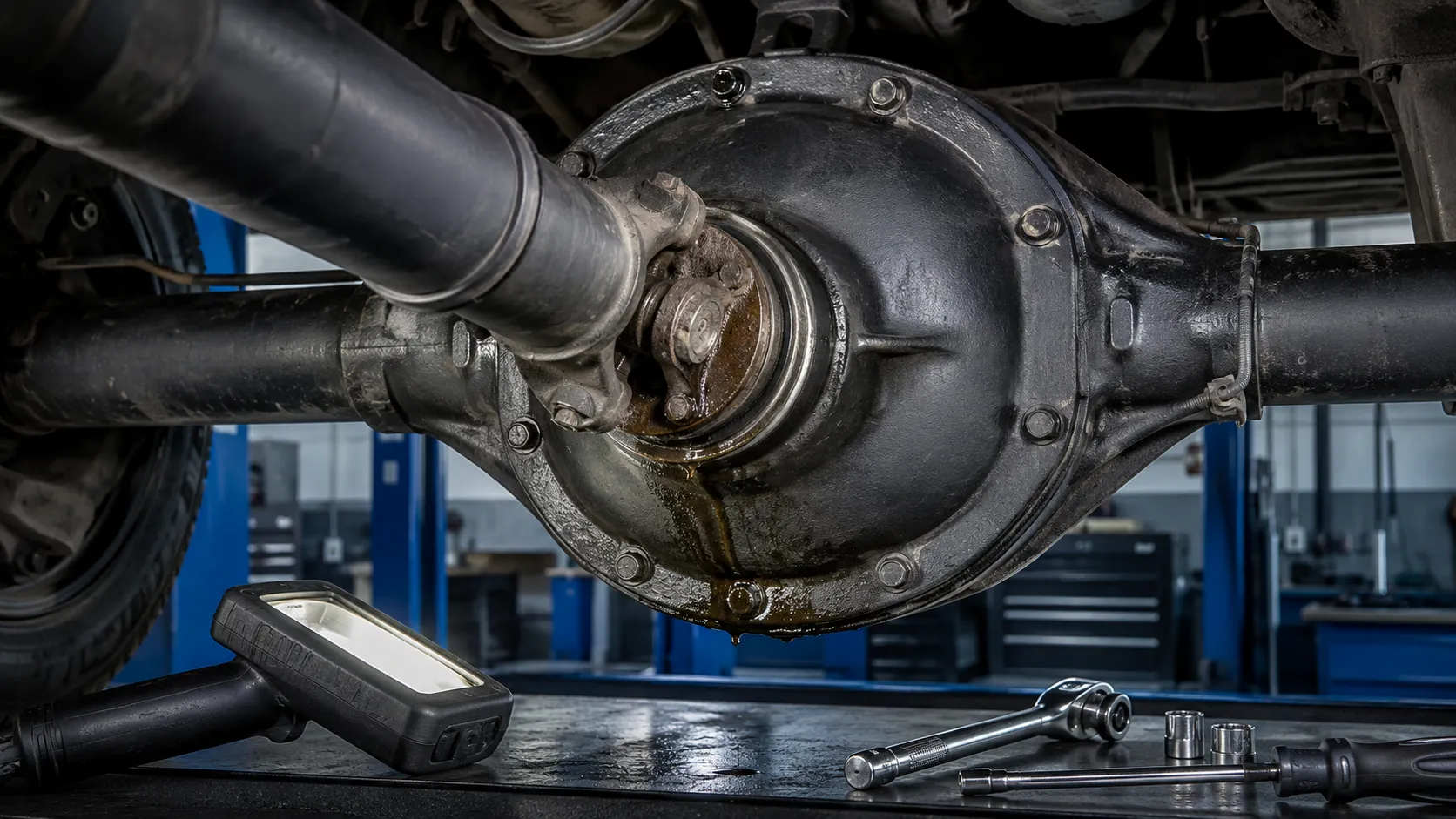
Differential Seal Cost
A differential leak may come from a pinion seal, axle shaft seal, side seal, output seal, or differential cover gasket.
The cost depends heavily on the leak source.
A differential cover gasket repair may be more accessible because it often involves draining gear oil, removing the cover, cleaning the sealing surfaces, installing a new gasket or approved sealant, and refilling with the correct lubricant.
A pinion seal repair can be more sensitive. It may involve driveshaft removal, pinion flange removal, inspection of the sealing surface, and vehicle-specific procedures related to pinion setup or bearing preload.
A rear axle shaft seal repair may also require brake and axle disassembly.
For more detail on diagnosis and repair differences, see: Differential Seal Leak: Symptoms, Risks, and Replacement Guide.
Rear Main Seal Cost
A rear main seal is located between the engine and transmission.
The replacement seal is often not expensive, but access can be difficult because the transmission usually needs to be removed.
This is why rear main seal replacement is commonly one of the more labor-intensive oil seal repairs.
The repair may overlap with:
Clutch replacement on manual-transmission vehicles
Flywheel inspection
Flexplate inspection
Torque converter inspection
Transmission mount replacement
Transmission service
Engine mount inspection
Oil pan or rear cover service on some engines
When the transmission is already removed for clutch or drivetrain work, replacing a leaking rear main seal at the same time may reduce future labor cost.
Other Parts and Services That Can Change the Final Cost
The final bill may increase when a leaking seal has affected nearby parts or when access makes related maintenance practical.
Common additional items include:
Engine oil, transmission fluid, gear oil, or hydraulic fluid
Transmission filter
Differential cover gasket
Transmission pan gasket
O-rings and backup rings
Axle retaining clip
Axle nut
Driveshaft hardware
Wheel bearing
Axle bearing
Differential bearing
CV axle
CV boot
Brake pads or shoes contaminated by oil
Brake rotor or drum contaminated by oil
Clutch disc contaminated by engine oil
Belt or pulley cleaning
Shaft repair sleeve
Replacement shaft, flange, or hub
Breather hose or vent fitting
Cleaning of the engine bay, underbody, or drivetrain area
Not every nearby part should be replaced automatically.
However, a repair shop should explain why a related component needs attention and whether the recommendation is based on damage, contamination, wear, or labor overlap.
For example, replacing a rear main seal does not always require a clutch replacement. But if the transmission is already removed and the clutch is worn or oil-contaminated, completing both repairs together may be more practical than paying for the same labor twice.
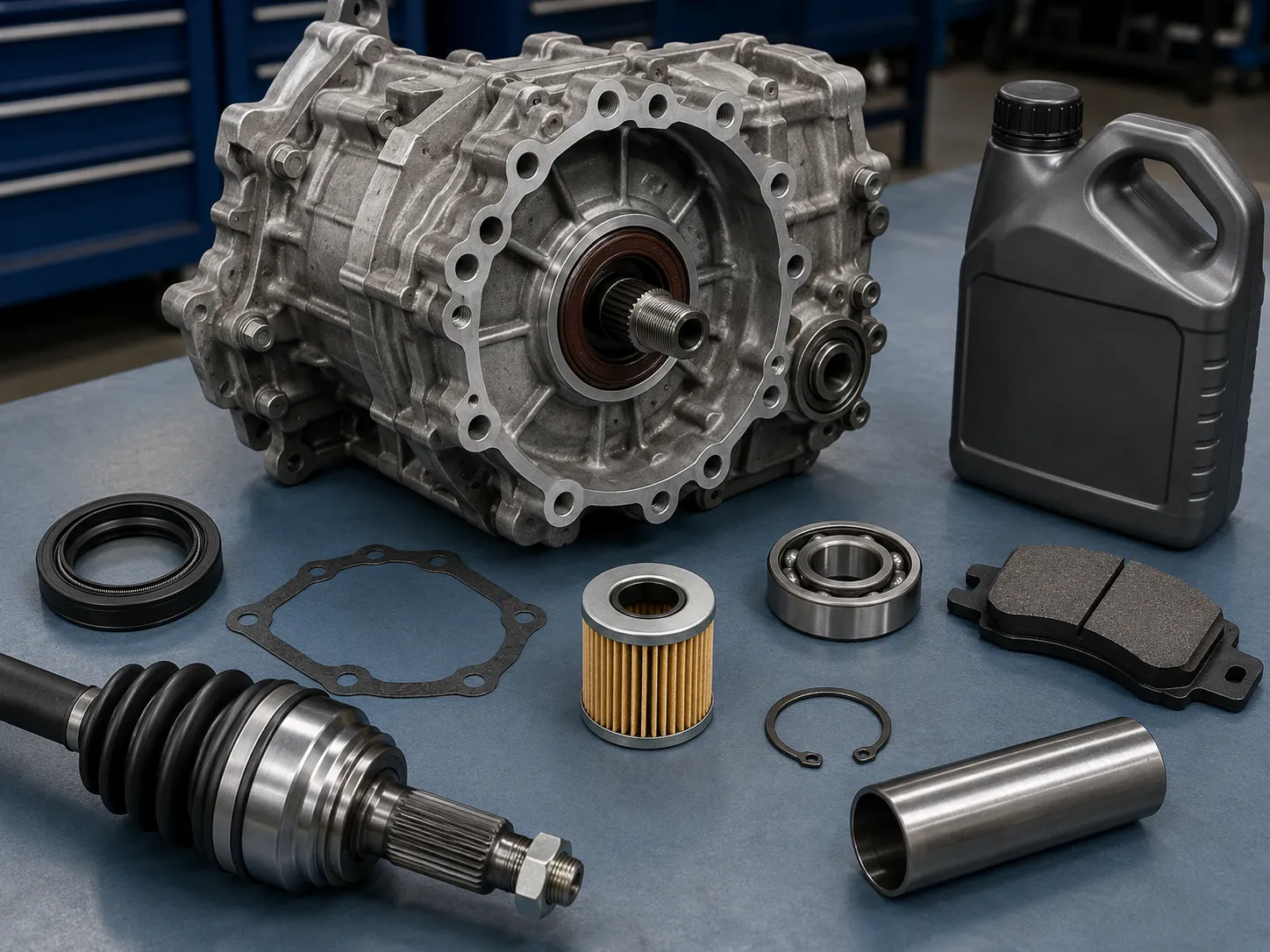
What Affects Oil Seal Replacement Cost?
Seal Location and Access Difficulty
The biggest cost factor is usually access.
A seal installed near the outside of a housing is often less expensive to replace than a seal located between the engine and transmission, behind a differential flange, deep inside a gearbox, or inside a hydraulic cylinder.
Vehicle or Equipment Design
A compact front-wheel-drive vehicle, rear-wheel-drive truck, all-wheel-drive SUV, commercial vehicle, agricultural machine, industrial gearbox, or hydraulic cylinder can require very different repair procedures.
Limited working space, extra drivetrain components, complex mounting systems, and unusual housing designs can all increase labor time.
Labor Rate and Repair Location
Labor rates vary by region, repair shop type, dealer pricing, technician experience, and local operating costs.
A repair that takes the same number of labor hours can cost very differently depending on where it is performed.
Fluid Type and Refill Requirements
A seal repair may require only a small fluid top-up, or it may require a larger service.
Cost can increase when the system requires:
OEM-specified transmission fluid
CVT fluid
Dual-clutch transmission fluid
Specialized gear oil
Limited-slip differential additive
High-performance synthetic lubricant
Hydraulic fluid with a specific viscosity or compatibility requirement
Using the wrong fluid can create additional problems, so the required specification should be confirmed before refilling.
Shaft and Housing Condition
A new seal may still leak if the shaft, flange, axle, hub, or housing bore is damaged.
Potential problems include:
Wear grooves
Scratches
Corrosion
Pitting
Shaft runout
Excessive bearing movement
Damaged splines
Worn housing bore
Loose seal fit
Damaged lead-in chamfer
When the sealing surface is damaged, the repair may require a sleeve, shaft replacement, flange replacement, housing repair, or bearing repair.
Seal Material and Design
The material and lip structure can affect the part cost, but they usually have less effect on the final repair bill than labor.
Common material and design choices include:
NBR
ACM
FKM
PTFE
Single-lip seals
Double-lip seals
Dust-lip seals
Metal outer diameter seals
Rubber-covered outer diameter seals
Cassette seals
Pressure-capable designs
A higher-performance seal may cost more as a part, but using the correct material can reduce the risk of early failure when the application involves high temperature, synthetic oil, fuel exposure, abrasive contamination, or demanding operating conditions.
Does the Replacement Seal Material Affect Cost?
Yes, but usually less than access and labor.
For a standard application, NBR may provide a cost-effective solution when the temperature, fluid, and operating conditions are within its suitable range.
For hotter or more demanding applications, FKM, ACM, PTFE, or another specialized material may be required.
The material should be selected based on:
Fluid type
Maximum operating temperature
Minimum startup temperature
Shaft speed
Pressure condition
Exposure to fuel or chemicals
Dust and water exposure
Service-life requirement
Original equipment specification
Choosing the cheapest seal can create a repeat repair if the material is not compatible with the actual fluid or temperature.
Choosing the most expensive material is not always the right answer either. The best choice is the material and seal structure that match the real application.
For a detailed comparison, see: NBR vs FKM Oil Seals: Material Differences, Temperature Range, and Applications.
When Should You Repair a Leaking Oil Seal?
A small seep may not always require emergency repair, but it should still be inspected and monitored.
Repair should be arranged promptly when:
Fluid is actively dripping
The fluid level is falling between checks
A warning light appears
Oil reaches hot exhaust components
A burning smell or smoke is present
Oil contaminates belts, pulleys, brakes, clutches, or electrical components
The transmission slips or shifts abnormally
Differential or gearbox noise develops
The vehicle or equipment overheats
The seal area is heavily contaminated
The leak becomes worse under load or after longer operation
A related repair already provides access to the seal
Delaying repair can increase the final cost when low fluid level damages bearings, gears, clutches, belts, brakes, or other components.
For a safety-focused guide, see: Is It Safe to Drive with a Leaking Oil Seal? Risks, Symptoms, and Replacement Advice.
How to Get an Accurate Oil Seal Replacement Quote
A useful quote should identify the exact leak source rather than simply listing “oil leak repair.”
Before approving a repair, ask the shop to confirm:
Exact seal location
Whether the leak is from a seal, gasket, breather, plug, or housing
Labor hours
Replacement seal type and material
Fluid type and fluid quantity
Related parts required for access
Shaft or housing inspection findings
Whether the shaft has a wear groove
Whether bearings have excessive movement
Whether brake, clutch, belt, or electrical components are contaminated
Whether the repair includes a post-repair leak inspection
Taxes, shop supplies, and disposal fees
Warranty terms for parts and labor
It is also useful to provide:
Vehicle identification number
Vehicle make, model, and production year
Transmission or drivetrain type
Photos of the leak area
Existing seal markings
OEM part number
Recent repair history
Information about warning lights, noise, smoke, or shifting problems
A detailed quote makes it easier to compare repair options fairly.
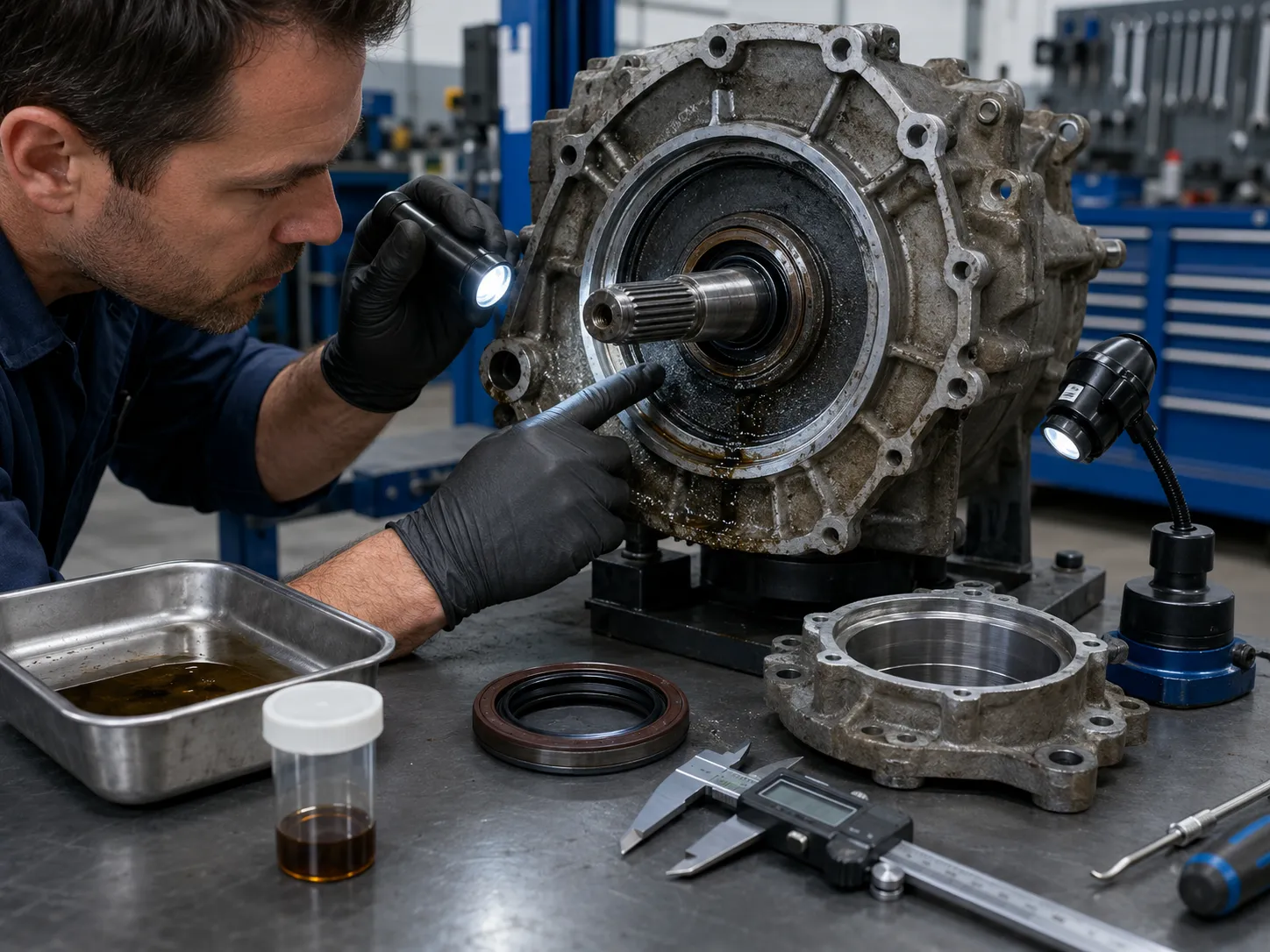
How to Avoid Paying Twice for the Same Leak
The lowest repair quote is not always the least expensive long-term option.
A repair can fail again when the seal is replaced without correcting the original cause.
Before installing a new oil seal, the technician should inspect:
Shaft surface condition
Housing bore condition
Bearing condition
Shaft movement or runout
Breather or ventilation system
Correct fluid level
Fluid compatibility
Seal material
Seal dimensions
Lip configuration
Installation direction
Installation depth
Sharp shaft edges, splines, threads, or keyways
Previous repair damage
For example, a new seal may leak again when it is installed over a grooved shaft, placed in a worn housing, exposed to excessive internal pressure, or damaged during installation.
A correct repair should solve both the visible leak and the reason the leak developed.
Choosing the Correct Replacement Oil Seal
Before ordering a replacement, confirm more than the part number.
The key details include:
Inner diameter, or shaft diameter
Outer diameter, or housing bore diameter
Seal width
Seal type
Main lip and dust-lip arrangement
Material
Spring requirement
Outer diameter structure
Fluid compatibility
Temperature requirement
Pressure condition
Shaft speed
Shaft condition
Installation direction
OEM reference, sample, or drawing
For example, two seals may both measure 35 × 52 × 7 mm but have different materials, lip configurations, outer diameter structures, and intended applications.
The correct replacement is not always the seal that looks closest. It is the seal that matches the shaft, housing, fluid, temperature, pressure, and working environment.
For a full sizing guide, see: How to Choose the Right Oil Seal Size: ID, OD, Width, and Application Guide.
Industrial Equipment and Hydraulic Seal Repair Costs
Oil seal replacement cost in industrial equipment is often harder to compare with passenger-vehicle repairs.
A relatively accessible pump or gearbox seal may be a straightforward maintenance repair. A seal inside a large gearbox, conveyor drive, hydraulic cylinder, wheel-end assembly, agricultural machine, or construction machine can involve much more work.
Industrial repair cost may depend on:
Equipment shutdown time
Access to the component
Lifting and handling requirements
Machine disassembly
Gearbox or cylinder removal
Hydraulic fluid replacement
Rod or bore repair
Bearing condition
Custom seal availability
Emergency repair requirements
Production downtime
Field-service travel
In these applications, the cost of downtime can exceed the cost of the seal and labor.
This is why industrial seal selection should focus on long-term fitment, material compatibility, shaft condition, and application reliability rather than only the unit price of the seal.
Conclusion
Oil seal replacement cost is usually determined by access and labor, not by the seal price alone.
A relatively accessible axle, output shaft, or external seal may cost a few hundred dollars to repair. A rear main seal, transmission input seal, front pump seal, or complex differential repair can cost much more because major drivetrain components may need to be removed.
The final cost can also increase when fluid must be replaced, shafts are worn, bearings have play, brake or clutch parts are contaminated, or the leak is caused by a blocked breather, incorrect seal material, or damaged housing.
Before approving a repair, confirm the exact leak source, request a detailed quote, inspect related components, and make sure the replacement seal matches the application.
For replacement seal selection, SealVendor can support standard oil seals, axle seals, transmission seals, differential seals, material matching, sample-based identification, OEM-reference checks, and drawing-based custom requirements for automotive and industrial applications.