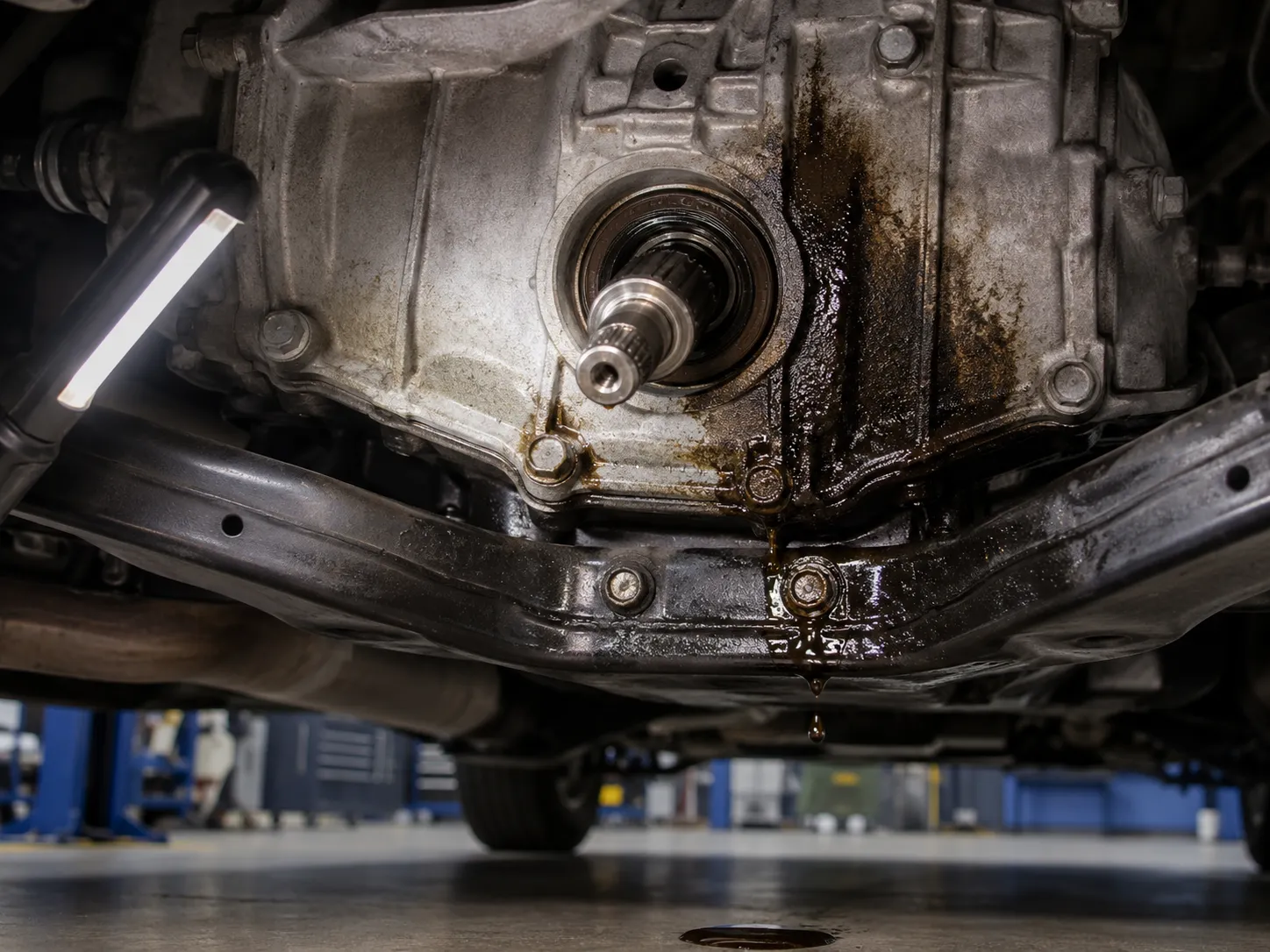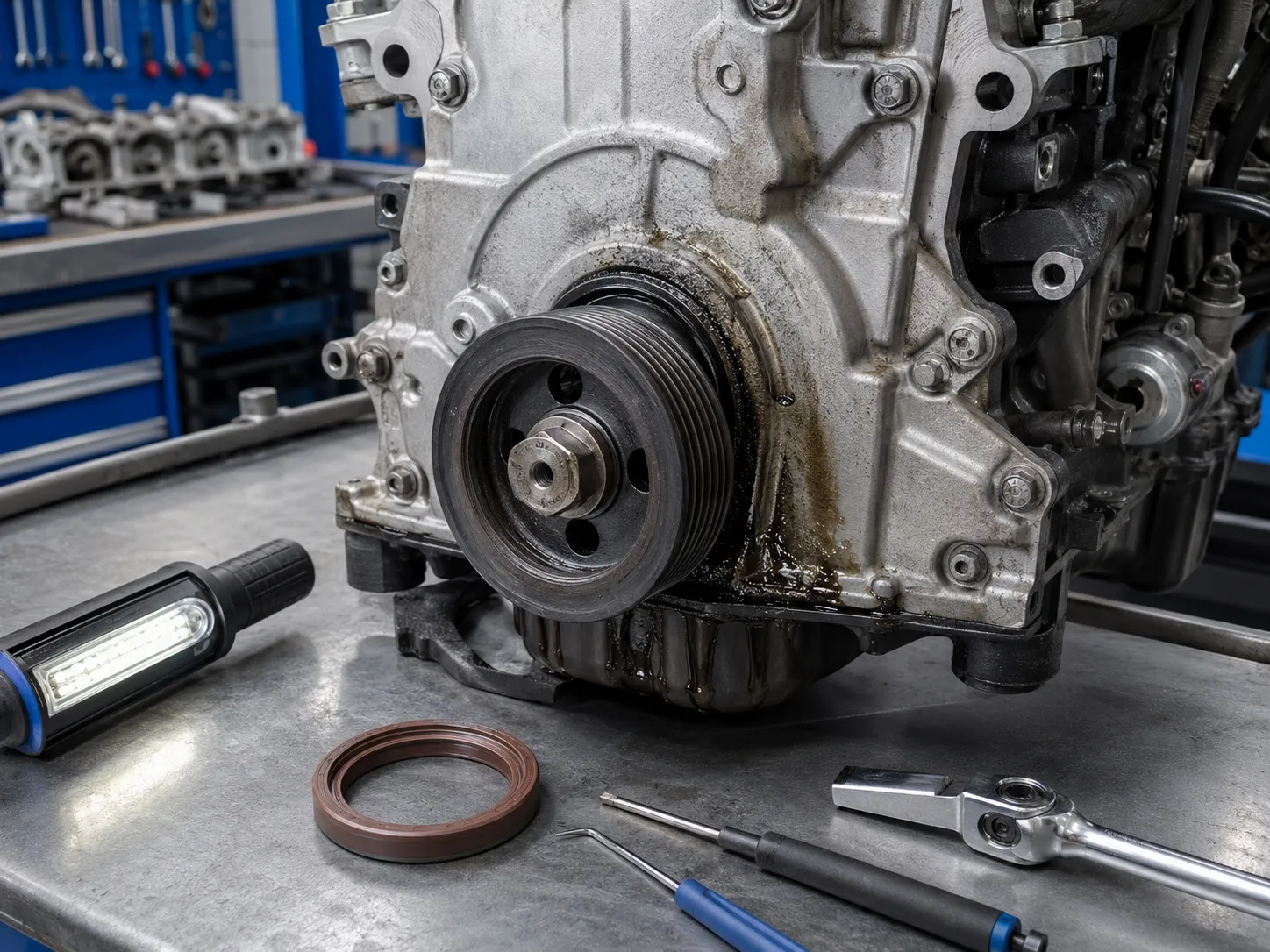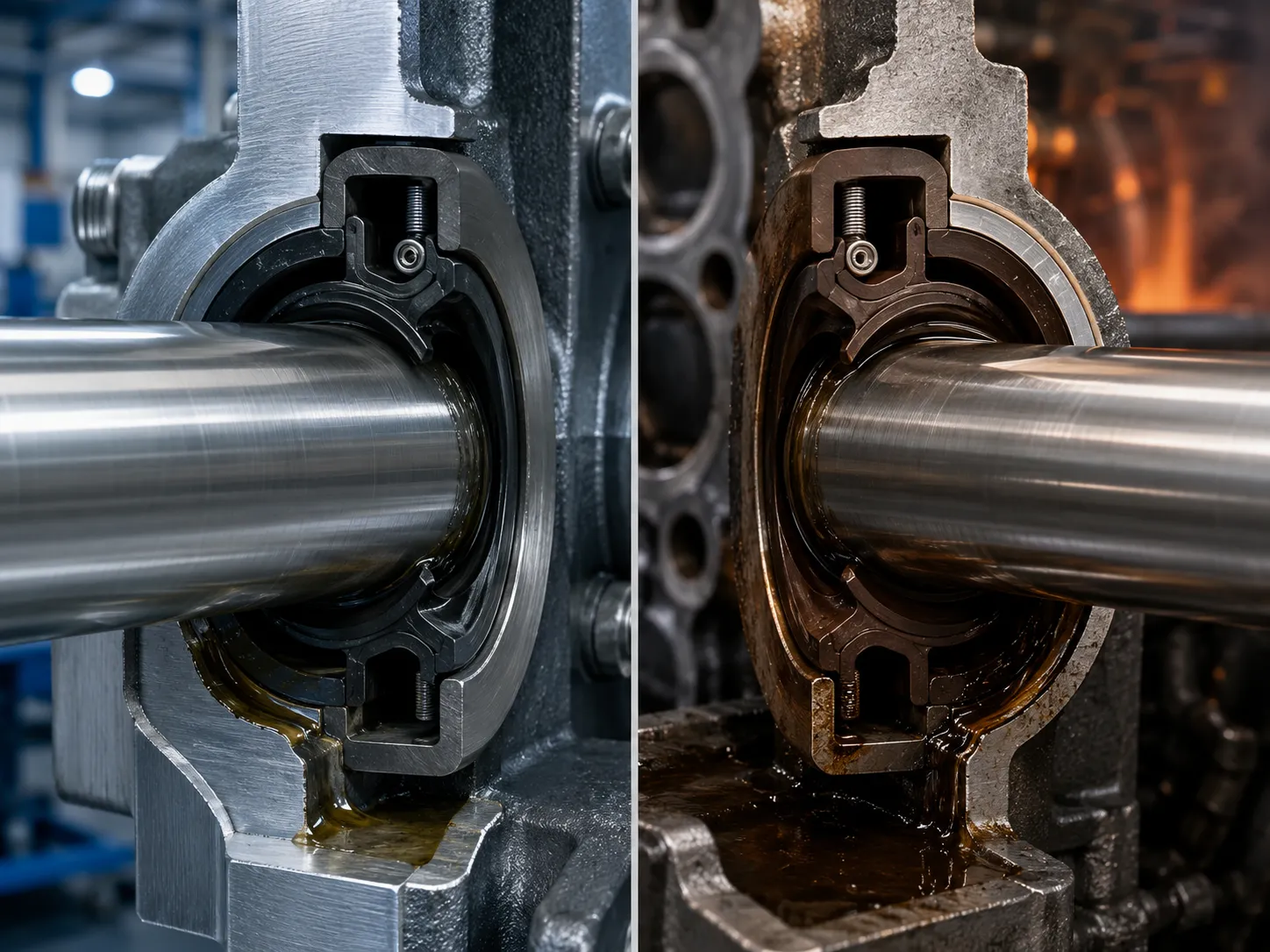
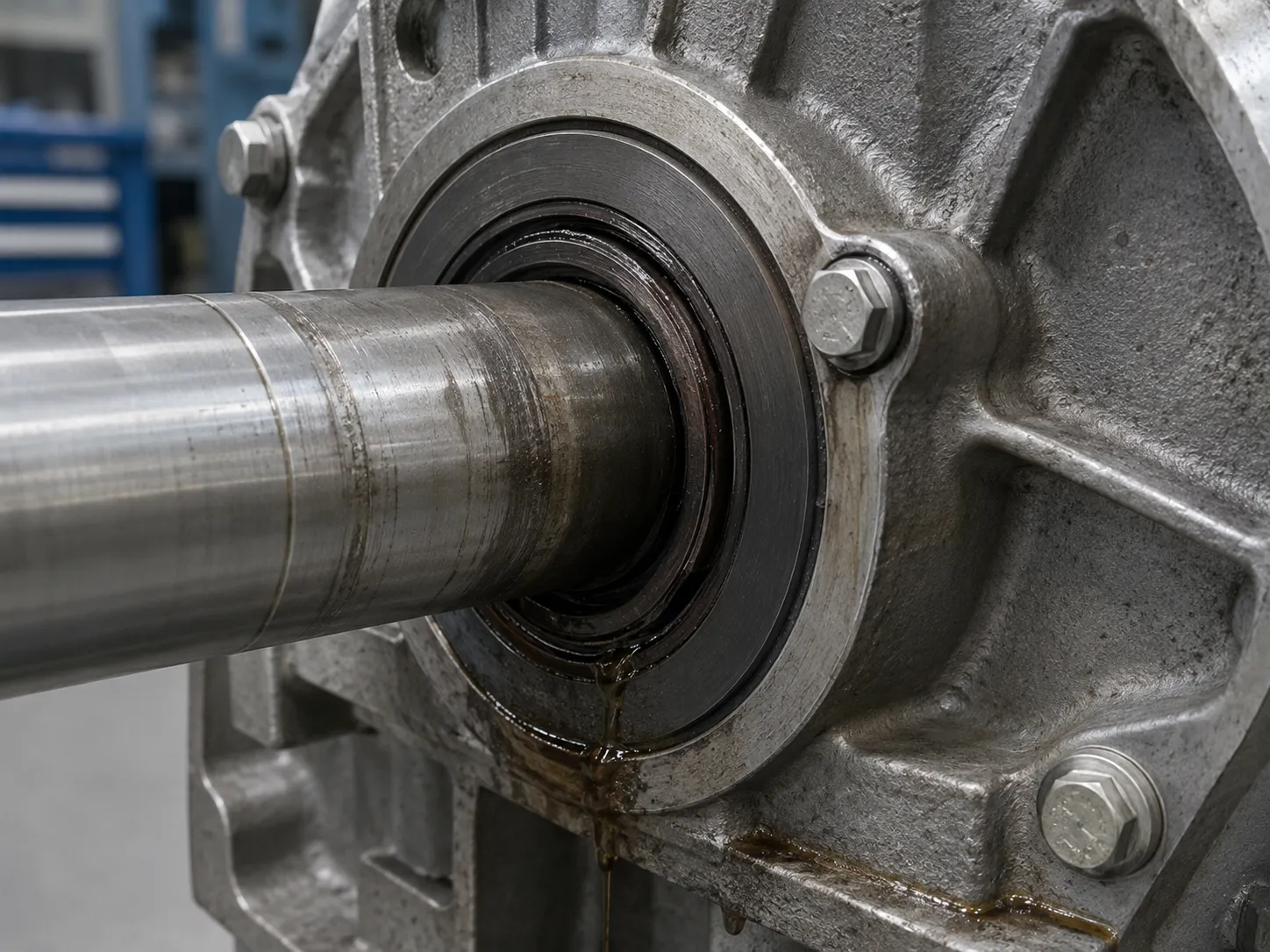
An oil seal leak is often treated as a simple part failure, but the seal itself is not always the only cause. In many cases, leakage is related to shaft wear, heat exposure, pressure buildup, incorrect material selection, contamination, poor installation, or an unsuitable seal design.
A new oil seal may stop the leak temporarily, but it can fail again if the real cause is not identified. For example, a worn shaft surface can create a leak path around a new sealing lip. Excessive internal pressure can force oil past an otherwise correct seal. A material that works well in one application may harden, swell, or lose flexibility in another.
This guide explains why rotary oil seals leak, how to identify common failure patterns, and what should be checked before selecting a replacement seal.
What Is an Oil Seal?
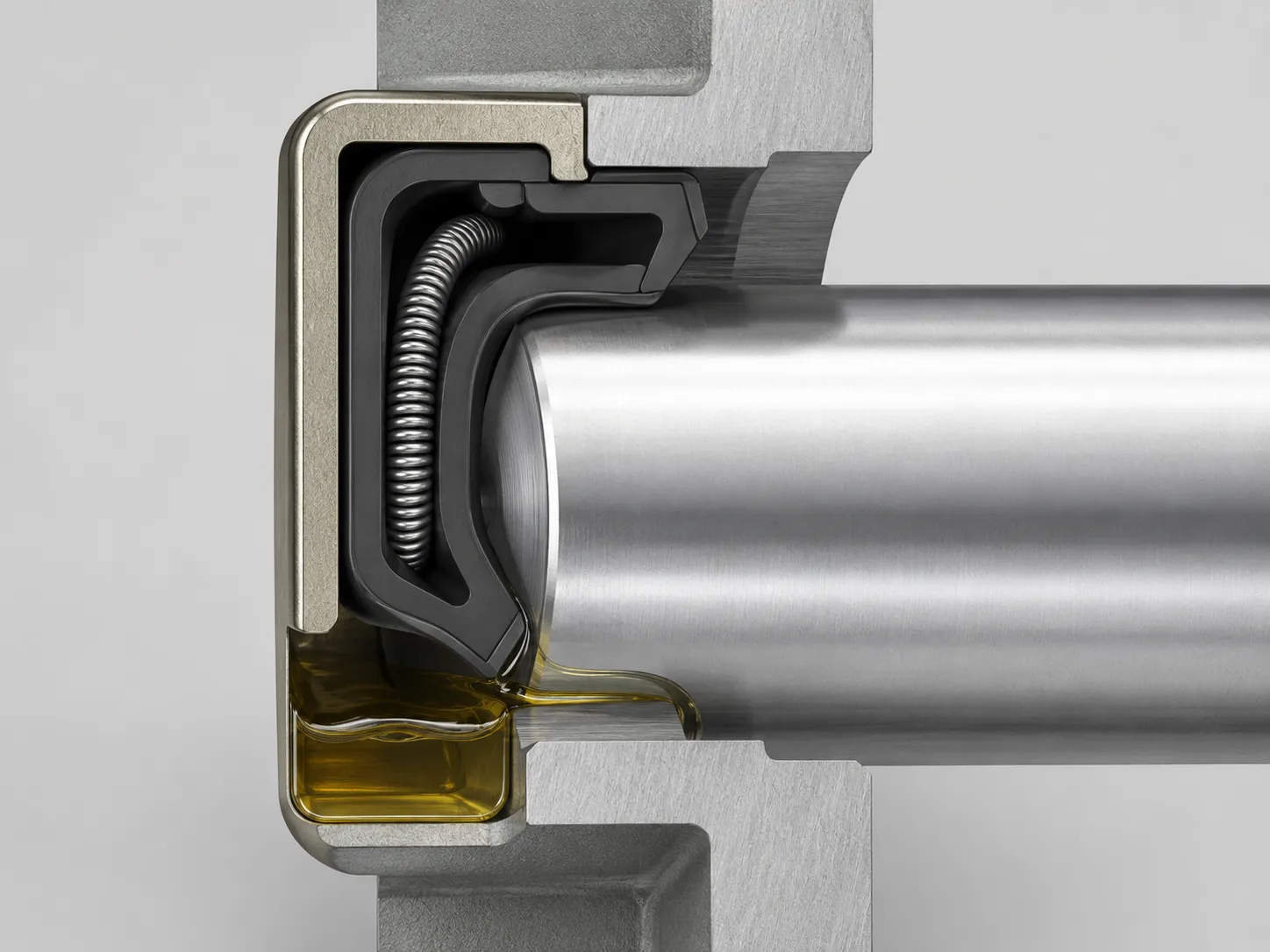
An oil seal, also called a rotary shaft seal or radial shaft seal, is designed to retain oil, grease, or other lubricants inside a housing while allowing a shaft to rotate.
Oil seals are commonly used in engines, transmissions, gearboxes, pumps, electric motors, agricultural equipment, hydraulic systems, construction machinery, and industrial rotating equipment.
A typical oil seal includes several basic parts:
An outer diameter that fits into the housing bore
A sealing lip that contacts the rotating shaft
A spring that maintains contact pressure on the sealing lip
A flexible elastomer body
In some designs, a dust lip that helps keep dirt and moisture away from the main sealing lip
The sealing lip must maintain a stable lubricating film against the shaft surface. It cannot be too dry, too loose, too tight, too hot, or exposed to incompatible fluids. Even a small problem in the shaft, housing, pressure condition, material, or installation process can cause leakage.
Common Reasons Why Oil Seals Leak
1. Aging, Heat, and Rubber Hardening
Oil seals operate in demanding environments. They may be exposed to engine heat, transmission fluid, gear oil, vibration, rotating shafts, and long service intervals.
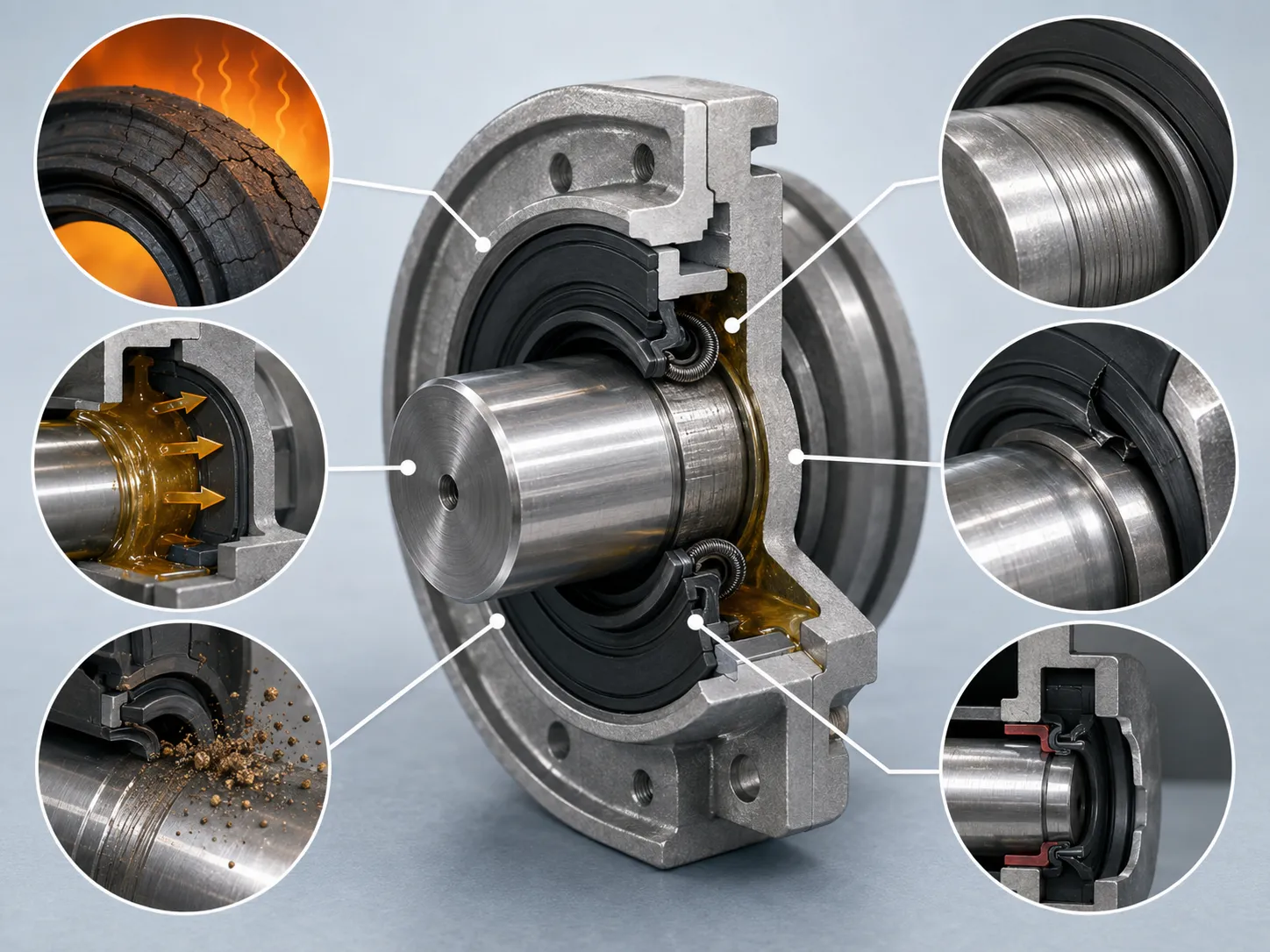
Over time, the elastomer material can harden, shrink, crack, or lose flexibility. When the sealing lip becomes too hard, it may no longer maintain consistent contact with the shaft surface.
This is one of the most common reasons older oil seals begin to seep or leak.
Warning signs of heat-related aging may include:
Hardened or brittle rubber
Cracks around the sealing lip
Loss of lip flexibility
Oil seepage after long operating periods
Leakage that becomes worse at higher temperatures
High operating temperature does not always mean the seal material is defective. In some cases, the material simply does not match the actual application conditions.
2. Incorrect Seal Material Selection
Oil seal material must be selected based on the fluid, temperature, shaft speed, pressure, and operating environment.
A seal that performs well with standard mineral oil may not be suitable for high-temperature engine oil, aggressive additives, synthetic lubricants, fuel exposure, or special chemical environments.
Common oil seal materials include:
NBR: Commonly used for standard mineral oils, lubricants, and general-purpose sealing applications.
ACM: Often used in automotive applications because of its resistance to heat and lubricating oils.
FKM: Suitable for higher temperatures, demanding engine oils, fuels, and more aggressive fluid conditions.
PTFE: Often used in special applications involving low friction, high shaft speed, advanced sealing requirements, or demanding thermal conditions.
Using the wrong material can cause several problems:
Swelling
Shrinkage
Hardening
Cracking
Lip wear
Loss of sealing force
Reduced resistance to heat or oil additives
Material selection should always be based on the actual operating environment, not only on price or appearance.
3. Shaft Wear, Grooves, and Surface Damage
The shaft surface is one of the most important factors in oil seal performance.
Over time, the contact area between the shaft and sealing lip may develop grooves, scratches, corrosion, pitting, or roughness. Even a very small groove can create a path for oil to escape.
When a worn shaft is fitted with a new seal, the new lip may continue to run on the damaged surface. The result is often a repeat leak shortly after replacement.
Common shaft-related causes include:
Wear grooves created by the old seal lip
Scratches from previous repair work
Corrosion or rust
Pitting caused by contamination
Incorrect surface finish
Sharp edges near the installation path
Shaft lead or machining marks that pump oil toward the seal lip
A shaft should be inspected carefully before installing a new oil seal. In some cases, a repair sleeve, shaft replacement, or repositioning of the seal may be needed.
4. Shaft Runout, Misalignment, or Excessive Movement
An oil seal is designed to work with a shaft that rotates smoothly and remains properly aligned.
If the shaft has excessive runout, vibration, wobble, or movement, the sealing lip may not stay in stable contact with the shaft surface. This can cause uneven lip wear, overheating, and leakage.
Possible causes include:
Worn bearings
Bent shafts
Damaged housings
Improper assembly
Misaligned gearbox or motor components
Excessive shaft vibration
Loose bearing seats
In these cases, replacing the oil seal alone may not solve the problem. The source of shaft movement should be corrected first.
5. Excessive Pressure Inside the Housing
Many oil seals are designed for low-pressure oil retention. When internal pressure becomes too high, oil can be forced past the sealing lip.
Pressure buildup may occur because of:
Blocked breathers
Restricted ventilation systems
Clogged PCV valves
Improper gearbox venting
Overfilled fluid levels
High operating temperature
Internal gas buildup
Pump or hydraulic system pressure beyond the seal design
For automotive engines, a restricted crankcase ventilation system can increase crankcase pressure and cause oil leaks around crankshaft seals, camshaft seals, valve cover gaskets, and other sealing points.
For gearboxes and industrial equipment, blocked breathers can increase housing pressure and force lubricant past seals.
Before replacing a leaking seal, check whether the system can vent pressure correctly.
6. Contaminated Oil or Abrasive Particles
Oil seals can be damaged by contamination. Dirt, metal particles, sand, dust, rust, and abrasive debris may become trapped near the sealing lip.
These particles can scratch the shaft surface or wear the lip material. Once the sealing edge is damaged, oil may begin to leak.
Contamination is especially common in:
Agricultural machinery
Construction equipment
Off-road vehicles
Pumps
Industrial gearboxes
Equipment operating in dusty or wet environments
A dust lip can help protect the main sealing lip, but it is not a substitute for proper external protection, clean assembly, and regular maintenance.
If a seal fails because of contamination, the replacement seal should not be installed until the shaft, housing, and surrounding area are cleaned thoroughly.
7. Poor Lubrication or Dry Running
The sealing lip needs a very thin lubricating film to reduce friction and heat. If the lip runs dry, it can overheat and wear quickly.
Dry running may happen when:
The seal is installed without suitable assembly lubricant
The equipment is started before oil reaches the sealing area
The shaft surface is dry or damaged
The wrong installation procedure is used
A PTFE seal is installed incorrectly
Lubrication levels are too low
A dry or overheated lip may become shiny, hardened, cracked, or visibly worn.
Some seal materials and designs require special installation procedures. PTFE seals, for example, may have specific dry-install or preformed-lip requirements. Always follow the seal manufacturer's installation guidance.
8. Incorrect Seal Size, Design, or Lip Configuration
A seal may leak if it does not match the shaft, housing, fluid, or application.
The correct oil seal must match:
Inner diameter
Outer diameter
Width
Housing bore
Shaft diameter
Lip design
Spring type
Dust lip requirement
Pressure capability
Installation direction
Temperature range
Fluid compatibility
A seal that is slightly too loose on the shaft may not maintain enough lip pressure. A seal with the wrong outer diameter may not fit securely in the housing. A seal installed in the wrong direction may allow fluid to escape.
Some applications also require specific lip designs, such as single-lip, double-lip, spring-loaded, dust-lip, cassette, or PTFE sealing structures.
Correct dimensions alone are not enough. The profile and material must also match the application.
9. Improper Installation
Poor installation is one of the most common reasons a new oil seal leaks soon after replacement.
During installation, the sealing lip can be cut, folded, stretched, scratched, or damaged by a sharp shaft edge. The garter spring may also become displaced if the seal is handled incorrectly.
Common installation mistakes include:
Pressing the seal in unevenly
Installing the seal at the wrong depth
Using a hammer directly on the seal
Damaging the lip on shaft splines or threads
Installing the seal backward
Failing to clean the housing bore
Using excessive sealant
Reusing a damaged seal
Installing the seal on a rough or dirty shaft
The seal should be pressed evenly into the housing using an appropriate installation tool. The shaft edge should be protected, and the sealing lip should not be forced over sharp edges without an installation sleeve or guide.
10. Housing Bore Damage or Poor Fit
The outer diameter of the oil seal must fit securely inside the housing bore.
If the bore is worn, scratched, corroded, oversized, or damaged, oil may leak around the outside diameter of the seal instead of past the lip.
This is sometimes mistaken for lip failure, but the actual problem may be between the seal outer diameter and the housing.
Before installation, inspect the housing bore for:
Scratches
Corrosion
Deformation
Loose fit
Improper bore size
Surface damage from previous seal removal
Excessive sealant residue
In some situations, a suitable sealant may be used on the outside diameter, but this should only be done when recommended for the application. Excessive or incorrect sealant can create additional installation problems.
How Material Choice Affects Oil Seal Life
Material selection has a direct effect on seal life, leakage risk, and long-term performance.
NBR
NBR is widely used for standard oil seal applications. It offers good resistance to many mineral oils and lubricants and is usually cost-effective for moderate-temperature conditions.
However, NBR may not be suitable for sustained high-temperature environments, aggressive fluids, or applications with demanding chemical exposure.
ACM
ACM is commonly used in automotive oil sealing applications. It performs well with lubricating oils and offers improved heat resistance compared with many standard rubber materials.
It is often selected for engine and transmission applications where heat and oil exposure are important factors.
FKM
FKM offers strong resistance to high temperatures, engine oils, fuels, and many demanding fluids. It is commonly selected for higher-temperature applications or conditions where standard NBR may harden too quickly.
FKM may have a higher material cost, but the correct choice can reduce the risk of early failure in demanding service conditions.
PTFE
PTFE seals are often used in applications that require low friction, high shaft speed, advanced temperature resistance, or specialized sealing performance.
PTFE seals can perform very well, but they may require different installation procedures than conventional rubber oil seals. The shaft surface condition, installation method, and seal design should be checked carefully.
How to Identify the Real Cause of an Oil Seal Leak
Before replacing a leaking oil seal, inspect the entire sealing system rather than focusing only on the seal itself.
A practical inspection should include:
Confirming the exact source of the leak
Cleaning the surrounding area before diagnosis
Checking the shaft surface for grooves or wear
Inspecting shaft runout and bearing condition
Checking housing bore condition
Confirming fluid type and operating temperature
Inspecting breather and ventilation systems
Looking for overfilled fluid levels
Checking for contamination near the seal lip
Confirming the existing seal size and material
Reviewing whether the seal was previously installed incorrectly
The most common repeat failure happens when a new seal is installed without correcting the real cause.
For example, replacing a crankshaft seal without checking crankcase pressure may lead to another leak. Replacing a gearbox output seal without checking shaft play may lead to another leak. Replacing a seal on a grooved shaft without using a repair sleeve may lead to another leak.
How to Prevent Repeat Oil Seal Failures
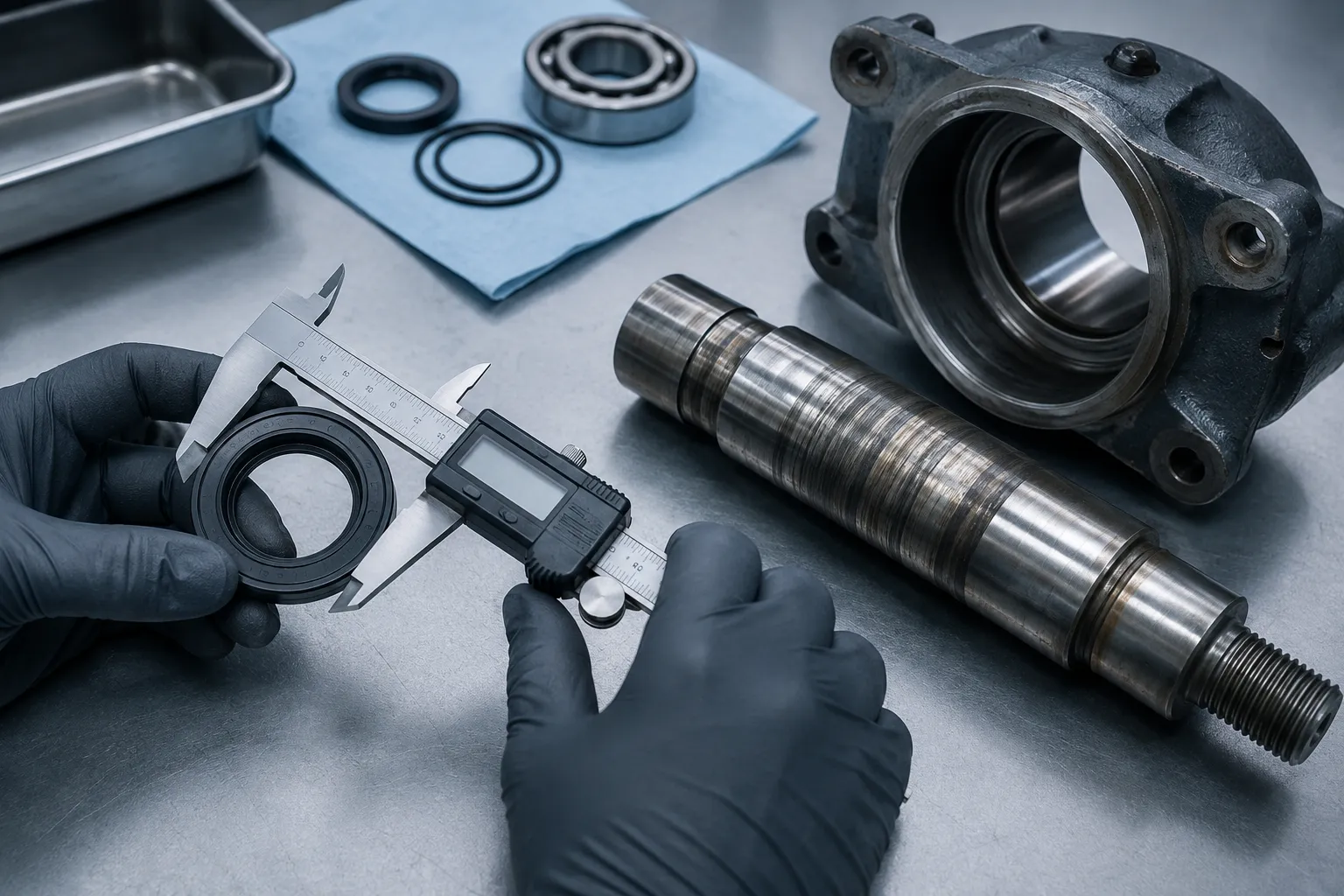
The best way to prevent repeat leakage is to match the seal, shaft, housing, and operating condition correctly.
Key prevention steps include:
Select the correct seal size and profile
Match the material to the fluid and temperature
Check shaft surface quality before installation
Repair grooves or damaged shaft surfaces
Inspect bearings and shaft alignment
Clean the housing bore and seal area
Use correct installation tools
Protect the sealing lip during assembly
Confirm the correct installation direction
Maintain proper ventilation and pressure control
Keep contaminants away from the sealing area
Follow recommended fluid levels and maintenance intervals
A correctly selected and properly installed oil seal can provide long service life. However, no seal can perform reliably if it is installed on a damaged shaft, exposed to excessive pressure, or used with incompatible fluid.
When Should a Leaking Oil Seal Be Replaced?
A leaking oil seal should be replaced when the leak is confirmed and the seal can no longer retain lubricant effectively.
Replacement should be arranged promptly when:
Fluid is dripping continuously
Oil level is dropping quickly
Oil is reaching belts, clutches, brakes, or electrical components
Oil is leaking onto hot exhaust parts
The equipment is overheating
The shaft area is visibly contaminated
The seal is hardened, cracked, or damaged
A related repair already provides access to the seal
A small seep may not require immediate emergency repair, but it should still be monitored. Oil leaks usually become worse over time, especially when heat, pressure, or shaft wear is involved.
Conclusion
Oil seals can leak for many reasons, including aging rubber, excessive heat, unsuitable material, shaft wear, misalignment, pressure buildup, contamination, dry running, incorrect sizing, and poor installation.
The seal itself is often only one part of the problem. A replacement seal may fail again if the shaft surface, housing bore, ventilation system, fluid condition, or installation method is not checked.
The best approach is to identify the true leak source, inspect the shaft and housing, select the correct material and seal design, and install the replacement carefully. This reduces repeat leakage and helps improve long-term sealing performance.
For replacement seal selection, SealVendor can support standard oil seals, material matching, sample-based identification, drawing-based customization, and OEM reference support for automotive and industrial applications.